
Reviewed · SAPA TOURS
Explore Sapa by TrekkingAdventures, Mountain,Rice fields
Sapa reveals its quieter side on foot. This trek leaves town for the rice terraces and villages of Y Linh Ho, Lao Chai, and Ta Van, with a local Hmong woman guiding the way and sharing stories of daily life. The route is not just a photo stop among the fields: you walk through communities where your guide has family and firsthand experience.
I like two things in particular: you can choose an easier or harder route, and the guides make cultural details personal rather than turning the walk into a lecture. The included village lunch adds a welcome pause, and the $23 price covers a guide, water, lunch, entry fees, and transport back to Sapa.
The main caveat is the footing. Paths can be steep, rocky, and slick after rain, and winter fog may hide the views. The listed duration is five hours, but a longer route or a slower group can make the day closer to six.
The details that make this trek worth considering
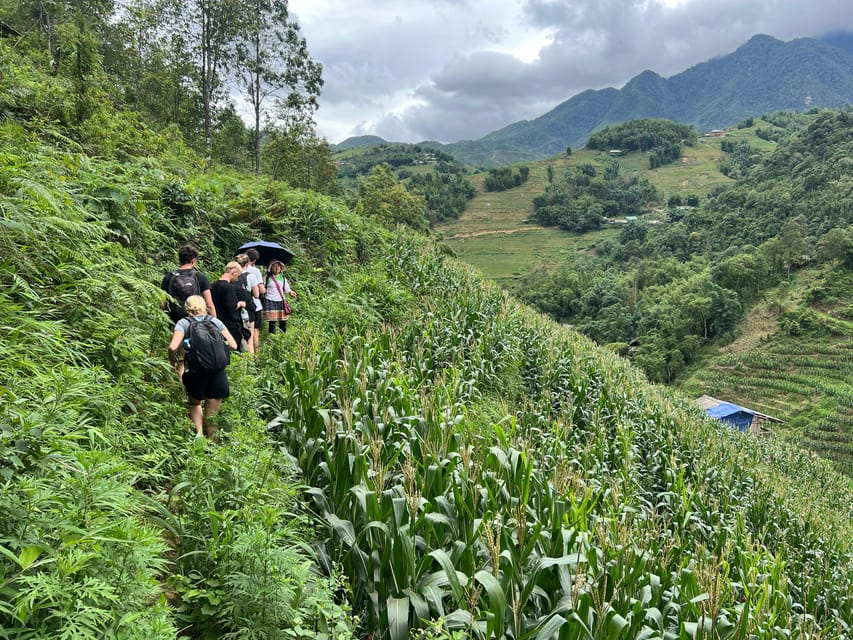
- Local Hmong women lead the walk: Guides such as Dinh, Sun, and Khu share their own experience of village life, family, work, and local customs.
- You choose the effort: The route is about 5 to 11 km, with an easier option and a harder trail section. The tougher path can be muddy and uneven.
- Three villages offer different perspectives: The trek passes through Black Hmong communities at Y Linh Ho and Lao Chai, then reaches Ta Van, home to the Dzay people.
- Lunch is part of the day: A local meal in Lao Chai is included, with vegetarian and vegan options reported as available.
- The scenery changes with the weather and season: Rice planting and harvesting happen at certain times of year, while fog can block valley views, especially in winter.
- Plan for a group and a possible longer day: This is a group tour unless you pay extra for a private outing. Bring cash, sturdy shoes, and rain protection.
Leaving Sapa for Y Linh Ho
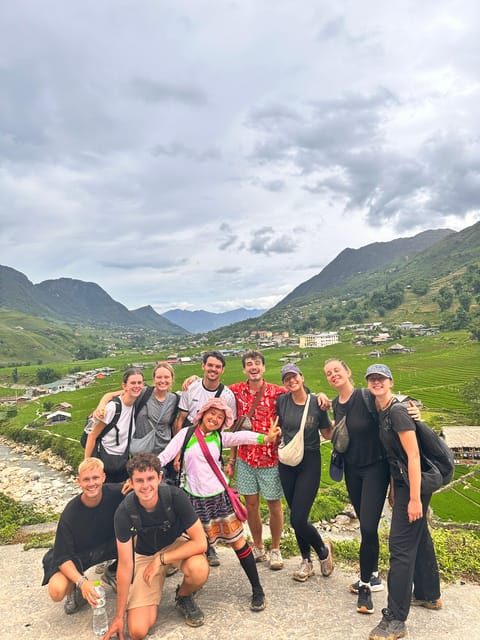
The day starts at 9:00 AM, or at another time arranged with the guide. Pickup is from your hotel in Sapa Town or near the main church. The meeting point can feel a little crowded when several groups set off, but the guides organize people before the walk begins.
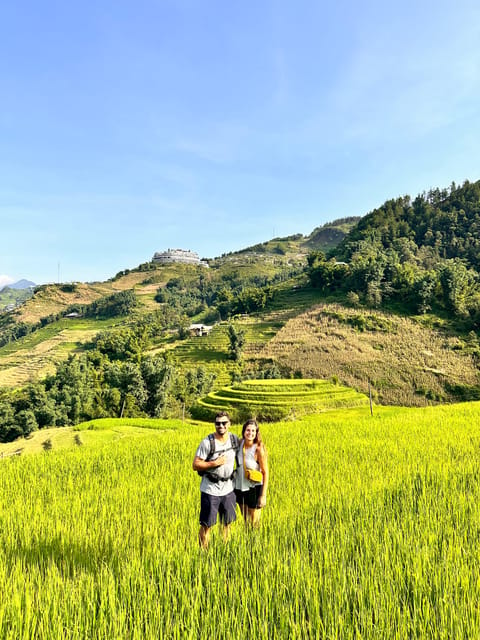
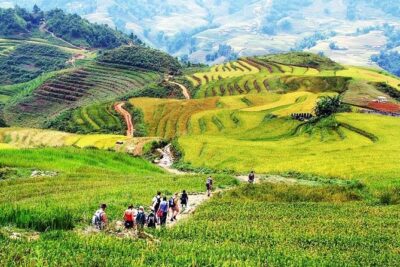
From town, the route descends toward Y Linh Ho, a Black Hmong village surrounded by rice terraces. The change from Sapa’s streets to open mountain paths is a big part of the appeal. You get a closer look at how the valley is used, and the guide can explain what you are seeing in the context of local life.
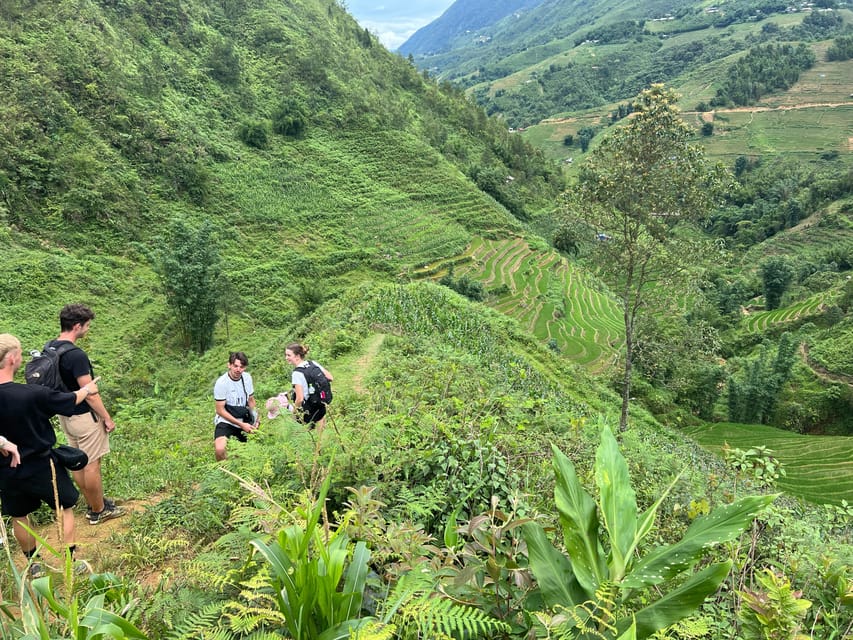
The first section may include narrow trails and uneven ground rather than a smooth walk. Local women may accompany the group for part of the way and help people across trickier sections. Their presence can be useful, though some may offer handmade items for sale. You are not obliged to buy anything; carrying a little cash is sensible if you do want a souvenir.
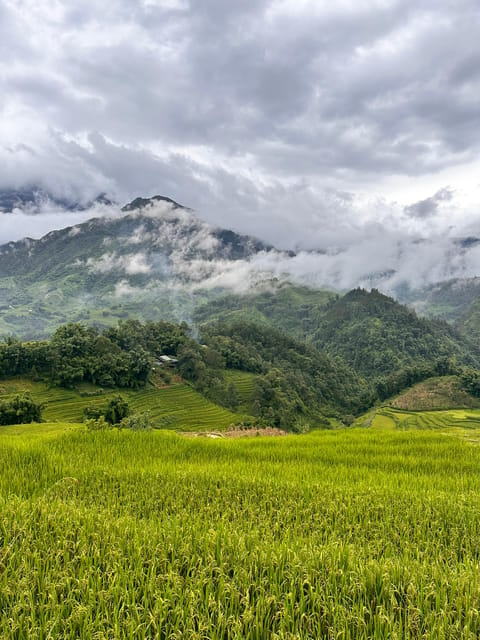
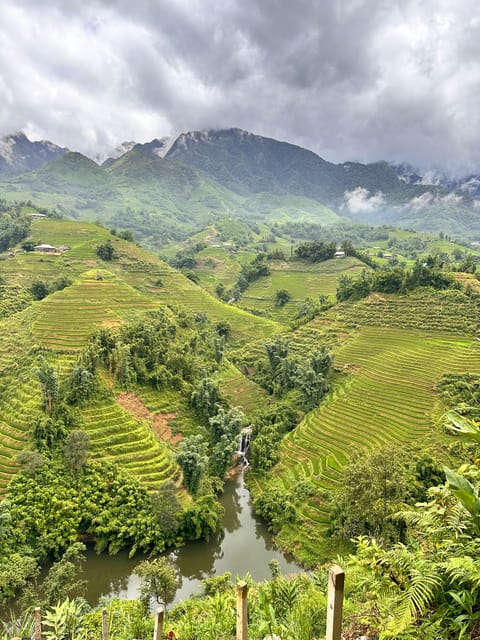
Views are weather-dependent. On clear days, the terraces and valleys open up as you descend. Fog can lift as the trek goes lower, but it can also linger and obscure the view. In February, in particular, you may get a cultural walk and good exercise without the wide panoramas you hoped for.
More Sapa trips in Sa Pa:
- Sa Pa: Muong Hoa Valley Trek and Local Ethnic Villages
★ 4.6 · 864 reviews - Sapa: Eco Adventure Terrace Fields and Local Villages Trek
★ 4.9 · 636 reviews - From Sapa: 1-Day Guided Trek to Lao Chai & Ta Van with Lunch
★ 4.9 · 416 reviews
Choosing the easier path or the harder trail
The route is advertised at about 5 to 11 km, and the difficulty can be adjusted. The easier option may use a road for part of the walk. The harder option takes rougher paths through fields, with more rocks, mud, and uneven footing. Ask the guide what the choices look like on the day, since rain and trail conditions affect how demanding they feel.
Even the shorter option is not necessarily easy for everyone. Much of the trek is downhill, and steep descents can be harder on balance than a level walk. Expect occasional stream crossings, narrow paths, and low fences to step over. You do not need to be an expert hiker, but you should be comfortable walking on uneven ground and have full mobility in your legs.
The toughest challenge is often finding secure footing, not building up a fast pace. Guides are used to helping the group and can slow down where needed. There are regular short breaks, commonly about once an hour, with chances to take photos and catch your breath.
Rain changes the feel of the route. Muddy slopes become slippery, so proper walking shoes matter. The organizers say they have boots and trekking sticks available for wet conditions, but bring a raincoat and clothes that can handle mud. A guide may help arrange boots; do not assume your own shoes will stay clean.
Lao Chai, lunch, and a closer look at village life
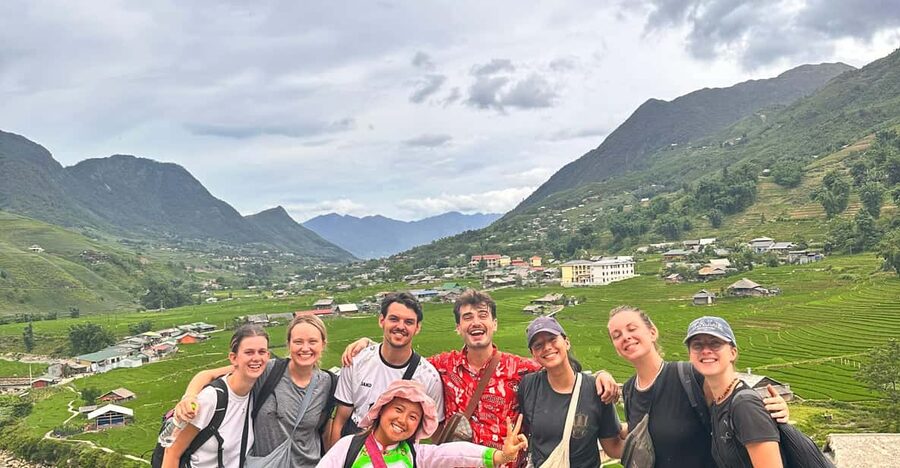
Lao Chai is one of the larger and older Hmong communities on the route. Here the trek pauses for lunch at a local restaurant. The meal is included in the tour price and is described as plentiful, with vegetarian and vegan choices available. Extra drinks, such as bottled water or beer, are not included, so bring cash if you want to order them.
Lunch is more than a refueling stop. It gives you time to sit with the group and talk with your guide, who may explain local customs and answer questions about family life, work, or the differences between communities. Guides including Sun and Dinh are frequently singled out for humor and warm conversation, and that personal exchange is a central part of what you are paying for.
The itinerary also includes a visit to a traditional Black Hmong house. This is a chance to learn about daily life beyond the rice fields and to hear how local traditions meet the realities of work and family. Your guide’s own story can add context, but remember that one person’s account is not a full portrait of every Hmong household.
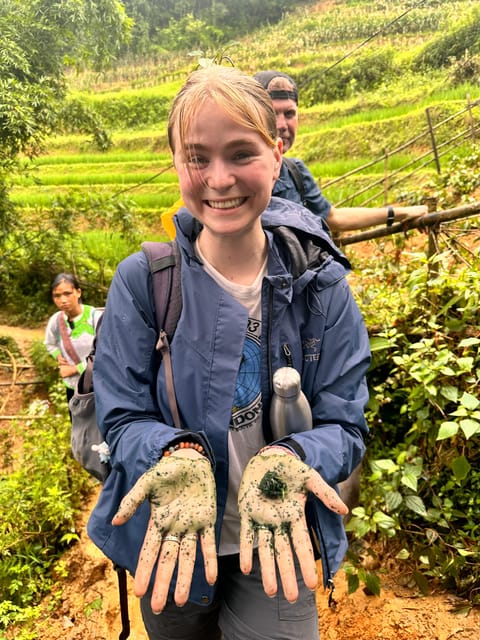
The guide may also explain local textile or indigo-dyeing traditions. Such details help make the walk more than a scenic route. If local women offer crafts, treat it as a separate purchase rather than part of the tour, and decide for yourself whether you want to buy.
Ta Van and the route back to Sapa
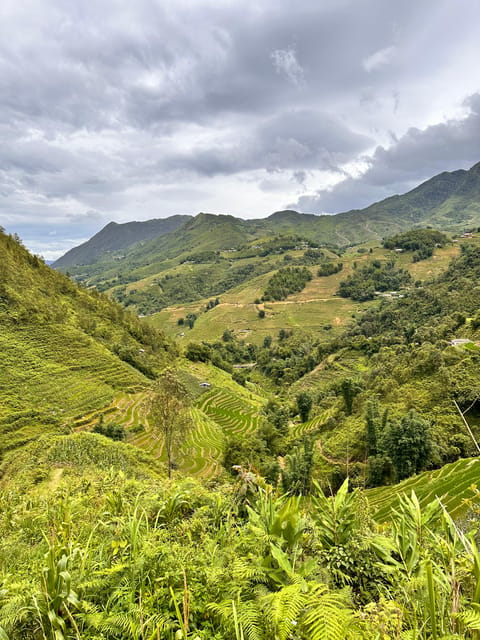
After Lao Chai, the walk continues toward Ta Van, a village associated with the Dzay people. Comparing communities along one route makes it easier to understand that Sapa is home to more than one ethnic group, each with its own customs and identity. Your guide can point out differences and share stories from the area.
The rice terraces are not equally dramatic in every month. If your visit coincides with planting or harvest, you may see people working in the fields. At other times, the terraces may look less active or less green. The walk still offers village paths, mountain air, and a view into rural routines, but it is wise not to expect a fixed postcard scene year-round.
The trek usually finishes in Ta Van around 3:00 PM. A private car then takes you back to Sapa Town, which is a useful inclusion after several hours on foot. The stated tour duration is five hours, though some outings run longer, especially with the longer route, a larger group, or extra stops. If you have onward transport, leave a time buffer rather than planning a tight connection.
Or change pace with something different:
- Sapa 1 Day Long Trek: Trek to Hau Thao and Sa Seng Villages
★ 4.6 · 344 reviews - Sapa: Fansipan Cable, Cat Cat Village, Moana Instagram Tour
★ 4.8 · 294 reviews - From Sapa: 3-Day Ha Giang Loop with Safe Rider (max 8 pax)
★ 4.9 · 285 reviews - EXPLORE SAPA: 2D1N TREKKING & HMONG CULTURE WITH DINH
★ 4.9 · 191 reviews
What the $23 price covers
At $23 per person, this is strong value for a guided outing that includes lunch, water, village entry fees, and the ride back to Sapa. The guide is the main reason to choose this experience over walking the same route alone. You get local explanations along the way, help with route choices, and a direct link to the communities you pass through.
There are limits to what that price includes. Extra drinks and personal travel insurance are not covered. The standard outing is a group trek with other visitors; ask about a private tour if you want a more personal pace, and expect to pay extra. Groups can create a sociable day, but they may also mean waiting for others on difficult sections.
Booking at least two or three hours ahead is advised, although the provider may sometimes be able to arrange a later booking. Free cancellation is available up to 24 hours in advance, and the reserve-now, pay-later option gives you some flexibility. Children under three can join for free if you inform the organizer in advance.
What to pack, and when to go
Wear comfortable walking clothes and shoes with a good grip. Bring a raincoat, sun hat, sunglasses, sunscreen, insect repellent, a camera, and cash. Water is included, but extra drinks are not; carry enough for your own comfort, especially if you prefer to drink more than the tour provides.
Weather matters as much as fitness. Clear skies make the terraces easier to appreciate, while fog can close in over the valleys. Wet weather adds mud and makes descents more demanding. The trek still has cultural value in poor visibility, but if sweeping views are your main reason for booking, check the forecast and keep your expectations flexible.
The guide’s English is generally a strength of the experience. Guides such as Sun are noted for clear explanations, humor, and careful attention on the trail. Still, the group may include people with different walking speeds, and the overall pace can vary. Tell the organizer in advance if you have a preference for an easier route or want to ask about a private outing.
Is this the right Sapa trek for you?
Book this tour if you want a reasonably priced walk that combines mountain scenery with village life, and if you value hearing directly from a local Hmong guide. It suits curious, reasonably mobile walkers who can handle a long downhill route, uneven paths, and possible mud. The option to choose a shorter or tougher route gives you some control over the day.
Think twice if you have mobility limitations, dislike group outings, or need a guaranteed clear view. The route is not suitable for people over 95, and the terrain can challenge anyone who struggles with balance or steep slopes. If you are comfortable with those conditions, the combination of local guiding, lunch, and three villages makes this a practical way to spend a day outside Sapa Town.
FAQ
How long is the trek?
The tour is listed as five hours, starting around 9:00 AM and usually finishing in Ta Van around 3:00 PM. Some outings take closer to six hours, depending on route and pace.
How far will I walk?
You can choose a route of about 5 to 11 km. The harder option is around 10 km and uses rougher, more uneven paths.
Where does the trek go?
The route runs from Sapa through Y Linh Ho and Lao Chai to Ta Van. It includes Black Hmong villages and Ta Van, home to the Dzay people.
Is lunch included?
Yes. Lunch at a local restaurant in Lao Chai is included, and vegetarian and vegan options have been available. Extra drinks are not included.
What should I bring?
Bring comfortable walking shoes and clothes, a raincoat, sun protection, insect repellent, a camera, and cash. A hat, sunglasses, and sunscreen are also recommended.
Is this a group tour?
Yes, the standard tour is a group outing with other travelers. You can ask for a private tour, which costs extra.
What happens if it rains?
The paths may become muddy and slippery. The organizers say they have boots and trekking sticks available, but you should still bring a raincoat and footwear suited to rough ground.
New on the list for Sa Pa
- AUTHENIC 2D1N Trek & Bungalow Retreat with Dinh Hmong Family★ 5.0 · 19 reviews
- From Hanoi: Sapa 3-Day Medium Trek and Limousine Trip★ 4.5 · 59 reviews
- 2 Night Lao Chai-Ta Van Homestay- Trekking & Fansipan Visit★ 4.0 · 8 reviews
- 2 days 2 nights in Sapa – Moana – Fansipan – Cat Cat Village★ 4.2 · 6 reviews
- 2 DAYS Explore SA PA’S Village through Scenic walking Trails★ 5.0 · 6 reviews
- 2-Day Fansipan Mountain Trek – Indochina’s Highest Peak★ 4.3 · 42 reviews
- 2 Day-2 Night Sapa Trekking: Overnight Train &Limousine Bus★ 3.9 · 7 reviews
- Trekking Sapa 1 Day With Local Guide, Terraced Rice Fields★ 4.5 · 5 reviews
Sapa Tours, compared.
Sapa 2 Days 1 Night From Hanoi – Overnight in Ta Van Village
Read our review →

Sa Pa: Muong Hoa Valley Trek and Local Ethnic Villages
Read our review →
Fansipan Cable, Cat Cat Village & Moana Instagram Tour
Read our review →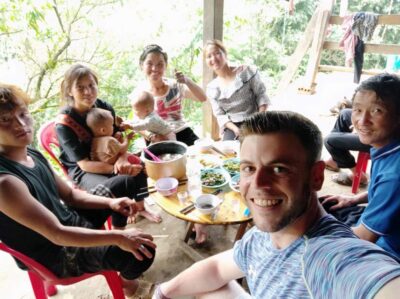
Sapa 3 Days 2 Nights Trekking Tour (1 Night In Ta Van Village, 1 Night In Hotel)
Read our review →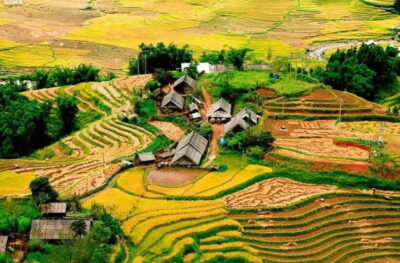
Eco Adventure Terrace Fields and Local Villages Trek
Read our review →
3-Day Trekking Adventure of Sapa from Hanoi – Stay Ta Van Village
Read our review →Browse the lists this tour appears in