
Reviewed · SAPA TREKKING TOURS
Sapa: Eco Adventure Terrace Fields and Local Villages Trek
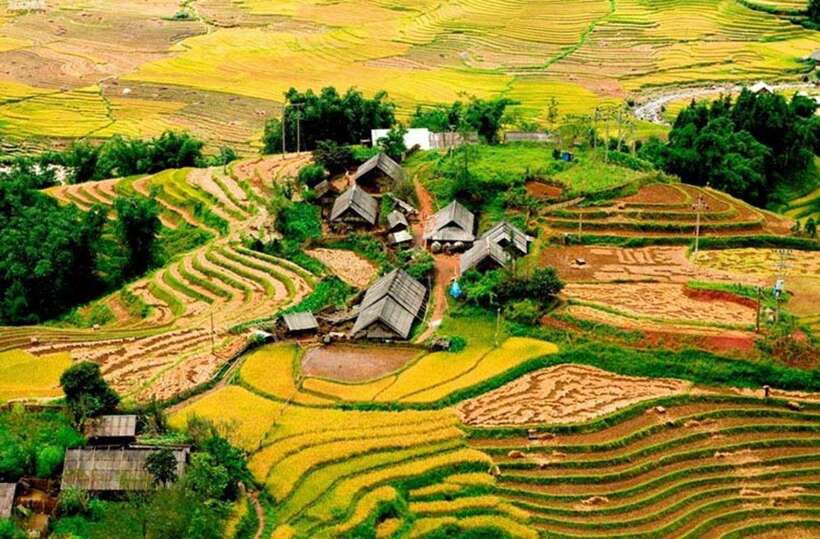
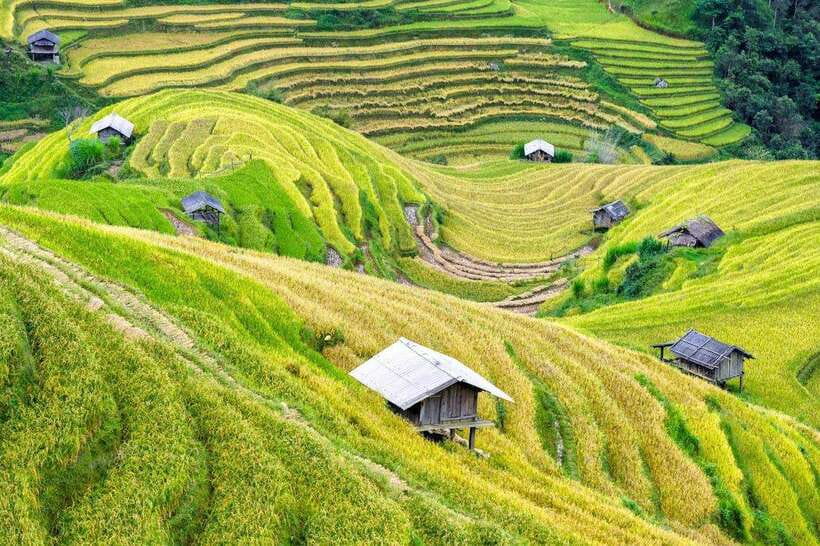
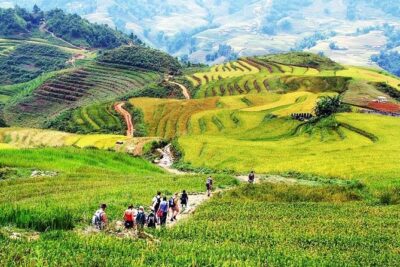
Sapa’s terraces are best understood on foot, where a view of the valley comes with the sound of streams, village life, and farmers at work. This six-and-a-half-hour trek pairs those mountain scenes with visits to Hmong and Dzay communities, led by a local English-speaking guide.
I like the mix of open-air scenery and personal cultural context, and the home-cooked lunch with a Hmong family gives the long walk a welcome pause. The trade-off is the trail: it covers 10 to 12 kilometers, and rain can turn early sections into slick, boot-soaking mud.
The Sapa trek at a glance
- Start at Sapa Church: Meet your guide in the town center at 9:00 AM. Share a WhatsApp number so the guide can contact you.
- Follow the Muong Hoa Valley: Walk past terraced fields, streams, wooden houses, and mountain views toward Fansipan.
- Visit three villages: The route includes Y Linh Ho and Lao Chai, associated with Hmong communities, and Ta Van, home to the Dzay minority.
- Eat lunch in Lao Chai Sang: A local meal is included, with vegetarian and vegan options reported as available.
- Prepare for a real walk: Plan on 10 to 12 kilometers, uneven ground, and possible mud. The group is limited to 10 people.
A 9:00 AM start beneath Fansipan
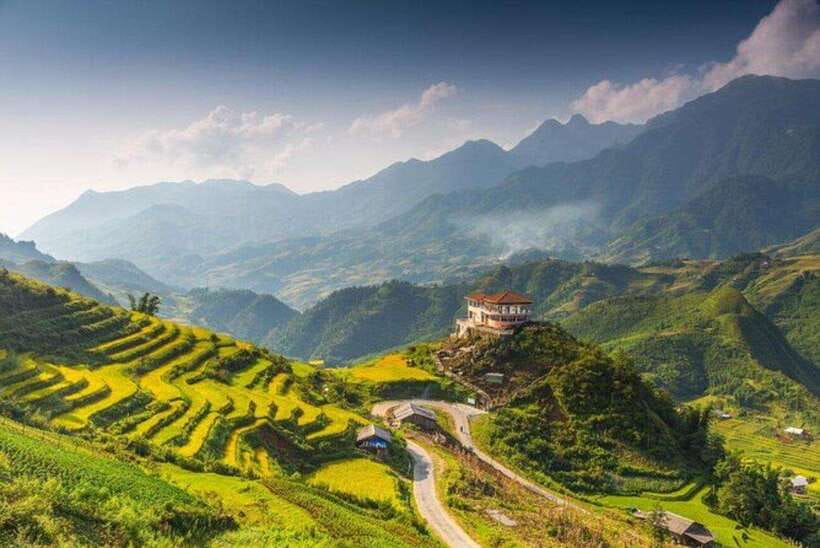
The day begins in central Sapa, where your guide meets you in front of Sapa Church. From there, the first stop is a small hill viewpoint with broad views toward Fansipan Peak. In clear weather, it is an inviting introduction to the mountains; in fog, the summit and valley may be partly or entirely hidden.
That variability is part of planning a Sapa walk. Some mornings begin misty, and the views can open later in the day. I would not treat fog as a reason to cancel the trek: the guide’s stories, village stops, and close-up views along the route still give the day substance. But if sweeping panoramas are your main reason for booking, keep your expectations flexible.
The group is capped at 10, which is a useful size for narrow trails and for asking questions without having to shout over a crowd. The guide speaks English and is from the local area. Guides named by people who have taken this trek include Chai, Vu, Shou, Chi, and Lien, but you should not assume a particular guide will lead your departure.
More Sapa trips in Sa Pa:
- Sa Pa: Muong Hoa Valley Trek and Local Ethnic Villages
★ 4.6 · 864 reviews - From Sapa: 1-Day Guided Trek to Lao Chai & Ta Van with Lunch
★ 4.9 · 416 reviews - Sapa 1 Day Long Trek: Trek to Hau Thao and Sa Seng Villages
★ 4.6 · 344 reviews
Down through Muong Hoa Valley
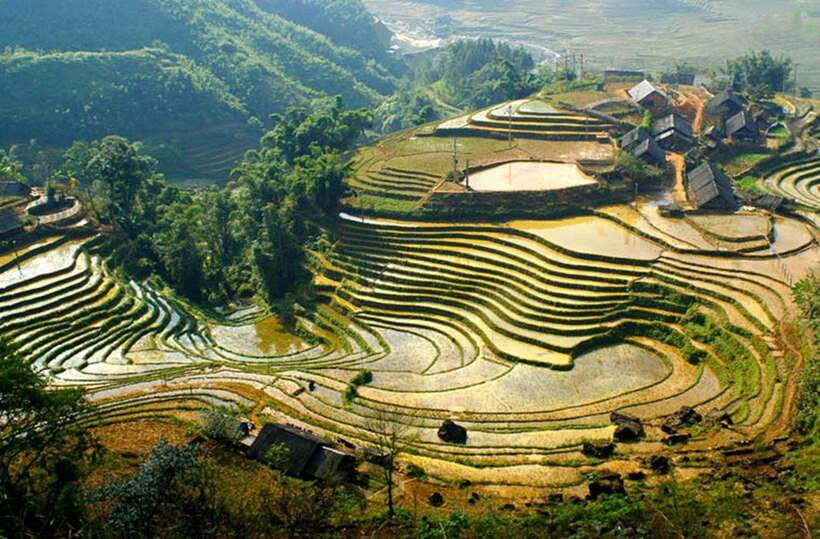
From the viewpoint, the route descends into Muong Hoa Valley, known for its layered rice terraces and steep mountain setting. The walk passes rivers, traditional wooden homes, and fields where farmers may be planting or harvesting, depending on the season. This is not a trek through untouched wilderness. It is a walk through a lived-in rural area, with cultivated land and village paths forming much of the route.
That distinction makes the walk more interesting to me, not less. The terraces are striking, but seeing people work the fields helps explain how the valley functions beyond its postcard views. Your guide can add context about local customs and daily life as you pass through, so the scenery has a human story attached to it.
The path can change underfoot. Some sections are muddy and slippery, especially after rain, while other portions follow easier paved village routes. Several people have found the opening stretch the most demanding, then easier going as the walk continues. Even on a dry day, the ground may not be perfectly firm.
Wear hiking shoes with reliable grip, and bring clothes you do not mind getting dirty. In wet conditions, muddy shoes and trousers are a fair possibility. Gumboots may be available to rent before setting out, but do not count on that unless you confirm locally. Insect repellent and warm clothing are on the recommended packing list; mountain weather can feel cool even when the walk keeps you moving.
Y Linh Ho and the Hmong villages
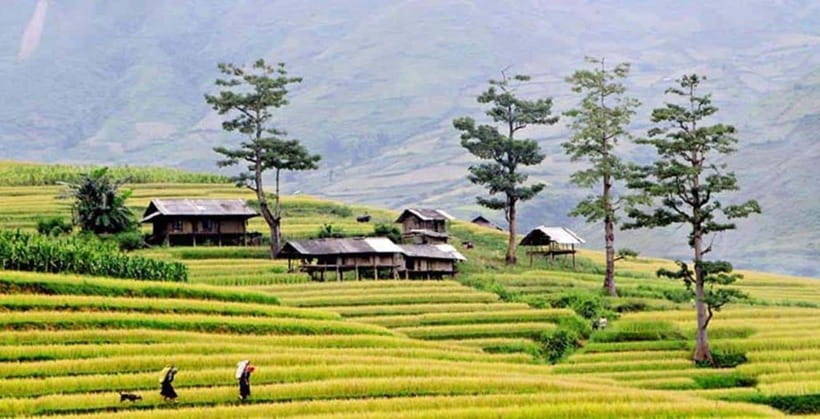
Around 11:00 AM, the route reaches Y Linh Ho, a village home to Hmong people. A small bridge crosses a scenic river, then the trail continues toward Lao Chai Sang through fields and mountain views. The village visits are not staged performances. You are walking through places where people live and work, so keep your manner respectful and follow your guide’s lead when approaching homes or taking photographs.
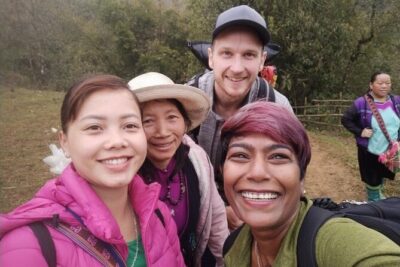
The guide is a central part of what makes this trek worthwhile. Guides such as Chai and Vu have been praised for explaining local traditions, history, and ordinary life in clear English, while also helping keep the group safe on tricky sections. Some share personal experiences, which can bring more depth than a string of facts about clothing or farming.
A thoughtful guide can also help you understand the effort behind the terraces and village routines. The walk offers a chance to ask questions about local customs and the differences between communities, rather than simply passing through with a camera. Keep questions open and respectful, and listen as carefully as you look.
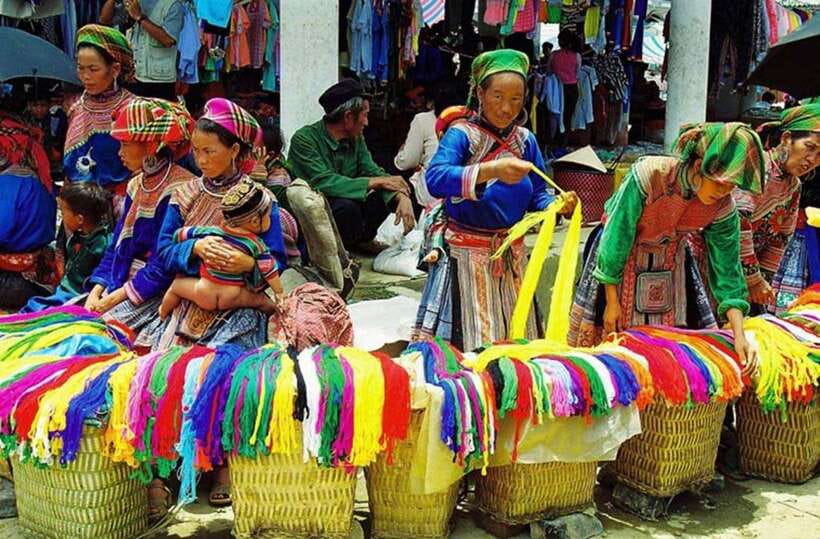
On muddier parts, local women may offer a hand along the trail. Their help can be welcome when the ground is slick. You may also meet women selling handmade clothing or bags. Buying something is a personal choice, not an obligation; a friendly refusal is enough if you do not want to shop. If you do buy, carry some cash, since the tour price does not cover personal purchases.
Lunch with a local family
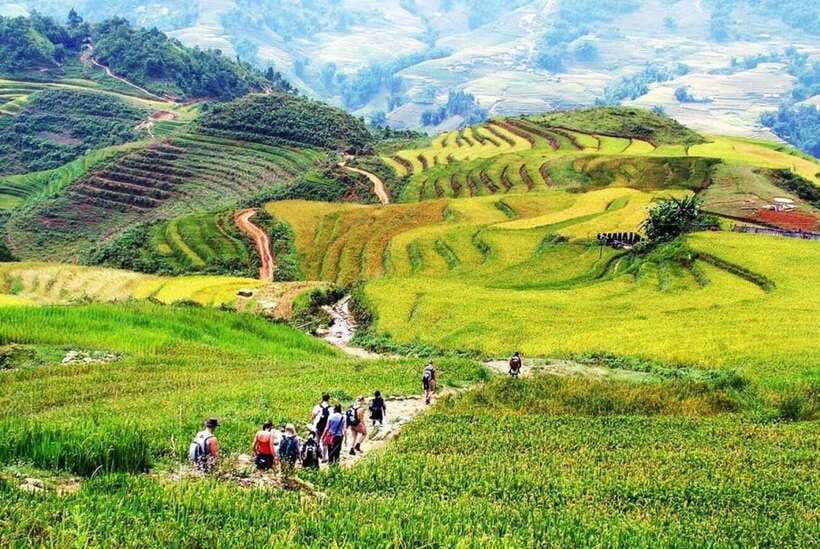
At about 12:30 PM, you stop in Lao Chai Sang for a home-cooked lunch with a Hmong family. It is a practical break after several hours on your feet, but also one of the day’s clearest opportunities to connect the walk with local hospitality and food. The meal is included in the $27 price.
The menu is not specified in advance, so do not expect to choose from a fixed list. Vegetarian and vegan meals have been available on some departures, but tell the operator about dietary needs before you go rather than relying on a last-minute adjustment. Drinks are not included, so bring money if you want to buy one.
Lunch quality and setting can vary. The stop may be in a local home or a village restaurant, and the meal is best approached as a simple regional lunch rather than a formal dining experience. That is part of the appeal: it gives you time to rest and talk, while keeping the day rooted in the villages you are visiting.
More treks in Sa Pa:
- EXPLORE SAPA: 2D1N TREKKING & HMONG CULTURE WITH DINH
★ 4.9 · 191 reviews - Sa Pa: 6-Hours Muong Hoa Valley Trek with Local Ethnic guide
★ 4.5 · 178 reviews - Sa Pa: 2-Day Trekking Trip with Ethnic Minority Homestay
★ 4.7 · 145 reviews - Half Day Sapa Trekking to Visit Lao Chai – Ta Van
★ 4.7 · 126 reviews
Lao Chai, then on to Ta Van
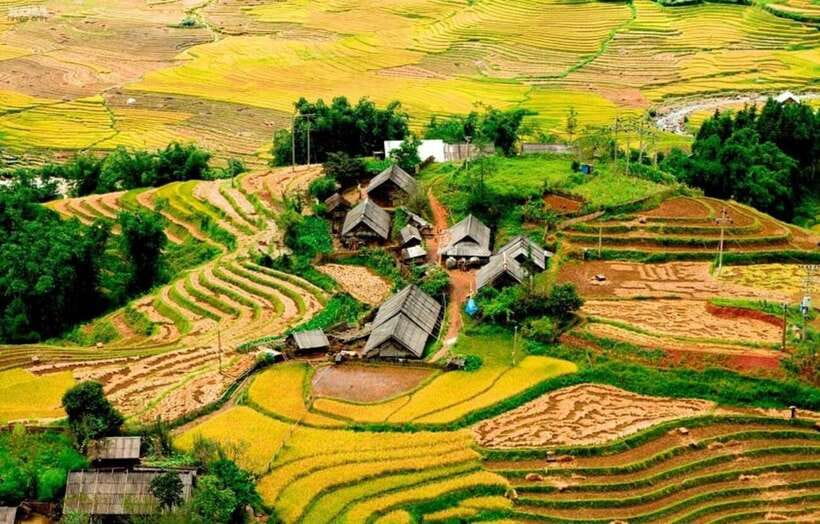
After lunch, the trek continues to Lao Chai. Depending on the season, you may see villagers planting or harvesting rice. The terraces look different across the agricultural calendar, so there is no single ideal moment that guarantees every field will be green or full of water. The views remain compelling, but the working life of the valley changes with the crop cycle.
Later in the afternoon, the route includes a cultural stop focused on Hmong daily life and traditional clothing-making. This adds a useful, tangible detail to the cultural discussions: you see how clothing and local identity connect, rather than hearing only broad descriptions. The exact format may vary, so treat it as a learning stop, not a guaranteed hands-on workshop.
The final village is Ta Van, home to the Dzay minority. Visiting both Hmong and Dzay communities gives the day a wider cultural scope than a walk centered on a single village. Your guide can explain local distinctions and customs, though one day can only offer an introduction. The goal is not to master the region’s culture in an afternoon, but to leave with a more grounded sense of the people who live here.
The trek is scheduled to return to Sapa at around 3:30 PM. Some groups may finish closer to 4:00 PM, and the route can take longer if conditions are muddy or the group needs extra care. There is no vehicle support along the walking route, so be prepared to complete the trek on foot. Hotel transfers are not included.
What the $27 price covers
At $27 per person, the price includes an English-speaking local guide, entrance tickets, and lunch. For a six-and-a-half-hour outing, that is strong value if you want both a proper walk and an introduction to local life. The small group cap also gives the guide room to answer questions and adjust attention when someone needs help on a slippery descent.
Budget separately for drinks, any personal purchases, and transport to the meeting point. The listed tour does not include hotel transfer service or other expenses not specifically named. If local women offer handmade goods, buying one is optional and outside the tour price.
The booking terms are flexible: you can reserve without paying immediately, and cancellation up to 24 hours in advance qualifies for a full refund. Check the available departure time when booking, and provide a WhatsApp number so the guide can reach you.
Who should take this walk
This trek suits you if you enjoy being active, want mountain scenery without separating it from village life, and value a guide who can explain local customs along the way. It can work well for families with teenagers who are comfortable walking: the route has been enjoyed by families, but it remains a long outdoor day rather than an easy stroll.
It is not suitable for children under five, pregnant women, people with mobility impairments, wheelchair users, or people over 75, according to the activity’s restrictions. If you have weak knees, balance concerns, or little confidence on slippery ground, think carefully before booking. The trail may be manageable for a reasonably fit walker, but muddy downhill sections can make it more demanding than the distance alone suggests.
Should you book the Sapa village trek?
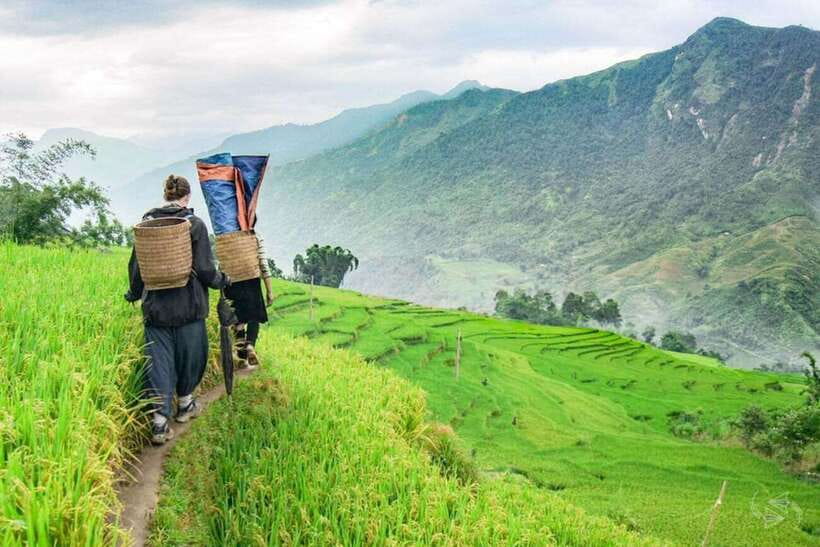
I would book this if you want a full day that combines rice terraces, village paths, and conversation with a local guide. The best parts are the variety of the route, the Hmong family lunch, and the chance to learn about Hmong and Dzay life while moving through the places themselves. Guides such as Chai and Vu have been singled out for warmth, clear English, and care on difficult trail sections, though guide assignments can change.
Skip it if you need a very easy walk, dry shoes, or guaranteed clear mountain views. For everyone else, bring grippy footwear, warm layers, insect repellent, and a bit of patience for mud. At $27, it is a practical way to spend a day in Sapa, provided you are ready to walk the distance.
FAQ
How long is the trek?
The activity lasts 390 minutes, or six and a half hours. It begins at 9:00 AM and is expected to return to Sapa at around 3:30 PM.
How far do we walk?
Plan on walking and hiking about 10 to 12 kilometers. The route includes trails, village paths, and potentially muddy sections.
Where is the meeting point?
The guide meets the group in front of Sapa Church in the town center. Provide a WhatsApp number for contact.
Which villages are included?
The route passes through Y Linh Ho, Lao Chai Sang, Lao Chai, and Ta Van. Ta Van is home to the Dzay minority, while the earlier village stops include Hmong communities.
Is lunch included?
Yes. A local lunch is included, served around 12:30 PM in Lao Chai Sang. Drinks are not included.
What should I bring?
Bring warm clothing, hiking shoes, and insect repellent. Wear clothes that can get muddy, particularly if rain has fallen.
Is the trek suitable for children?
It is not suitable for children under five. The walk covers 10 to 12 kilometers, and families with older children should consider their fitness and comfort on uneven, slippery paths.
What is included in the price?
The $27 price includes an English-speaking local guide, entrance tickets, and lunch. Hotel transfers, drinks, and other expenses are excluded.
Can I cancel or reserve without paying immediately?
Yes. You can reserve and pay later, and cancel up to 24 hours in advance for a full refund.
New on the list for Sa Pa
- AUTHENIC 2D1N Trek & Bungalow Retreat with Dinh Hmong Family★ 5.0 · 19 reviews
- From Hanoi: Sapa 3-Day Medium Trek and Limousine Trip★ 4.5 · 59 reviews
- 2 Night Lao Chai-Ta Van Homestay- Trekking & Fansipan Visit★ 4.0 · 8 reviews
- 2 days 2 nights in Sapa – Moana – Fansipan – Cat Cat Village★ 4.2 · 6 reviews
- 2 DAYS Explore SA PA’S Village through Scenic walking Trails★ 5.0 · 6 reviews
- 2-Day Fansipan Mountain Trek – Indochina’s Highest Peak★ 4.3 · 42 reviews
- 2 Day-2 Night Sapa Trekking: Overnight Train &Limousine Bus★ 3.9 · 7 reviews
- Trekking Sapa 1 Day With Local Guide, Terraced Rice Fields★ 4.5 · 5 reviews
Sapa Trekking Tours, compared.

Halong Bay Full Day with Kayaking, Hiking viewpoint, Cave – Deluxe To Luxury
Read our review →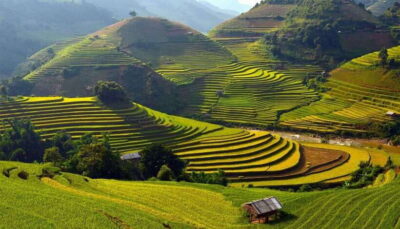
Sa Pa: Muong Hoa Valley Trek and Local Ethnic Villages
Read our review →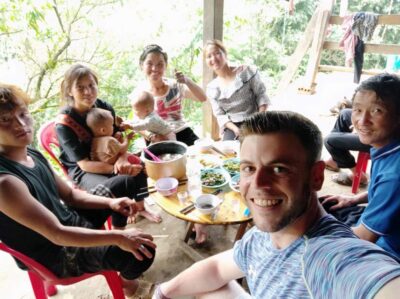
Sapa 3 Days 2 Nights Trekking Tour (1 Night In Ta Van Village, 1 Night In Hotel)
Read our review →
3-Day Trekking Adventure of Sapa from Hanoi – Stay Ta Van Village
Read our review →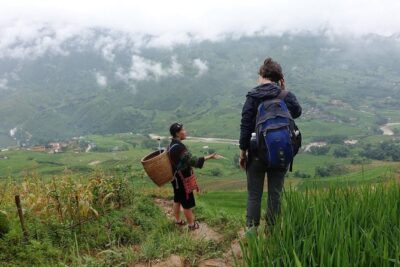
Number one top rated ethical cultural trekking and homestay by ETHOS
Read our review →
2-Day Sa Pa Ethnic Homestay Tour & Trek with Limousine Bus
Read our review →Browse the lists this tour appears in