
Reviewed · SAPA TREKKING TOURS
Number one top rated ethical cultural trekking and homestay by ETHOS
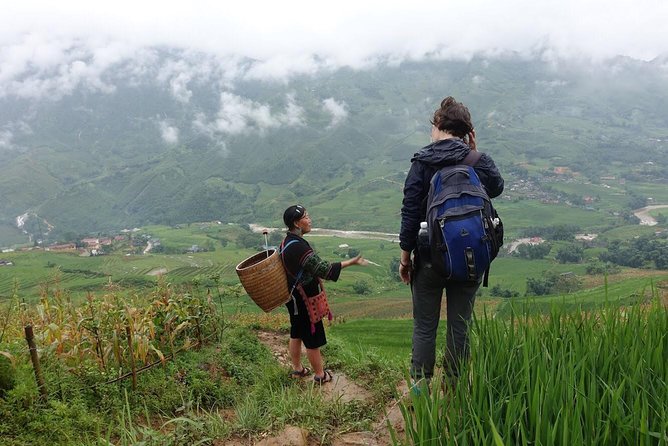
Sapa’s village paths are the heart of this two-day trip: you walk through rice terraces and traditional communities, then stay overnight with a local host family. I like two things in particular: the first day pairs a substantial 14-kilometre hike with a shared lunch, and the second day lets you choose how far and how hard to walk.
The private format gives your group room to set a comfortable pace and ask questions along the way. One thing to weigh carefully: this is a real trek, with a steep climb on day one, so it is better suited to people with moderate fitness than to anyone hoping for a gentle village stroll.
At a glance: a Sapa trek with a village stay
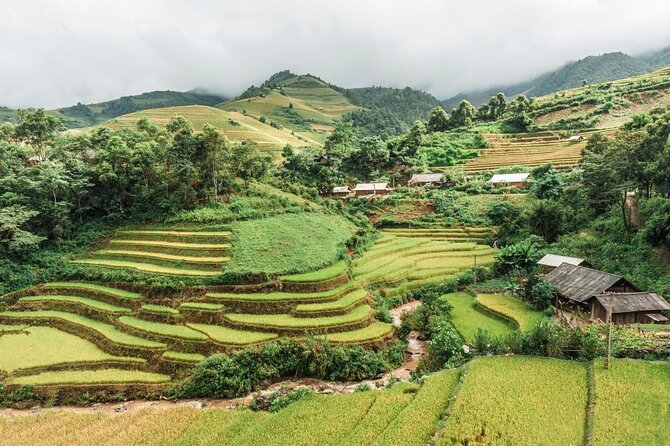
- Day one covers about 14 kilometres: The first six kilometres are relatively easy but undulating, followed by a steep climb of around two kilometres.
- You stay with a village host family: The overnight homestay puts local life at the centre of the trip, not just the views.
- Meals are part of the experience: The price includes two lunches, dinner, and breakfast.
- Day two is flexible: Choose a destination and a level of challenge, then return to Sapa by taxi in the afternoon.
- The trip is private, with a two-person minimum: Only your group takes part, but you need at least two people for this booking.
The first morning starts with local context
Meet at ETHOS – Spirit of the Community in Sapa at 8:30 am. The day begins at the ETHOS centre, where the trip can include an introduction to the region and its communities. Hoa, for example, has been described as giving an explanation of local background before the walk. That context matters: a village is more than a scenic stop when you understand something about the people who live there.
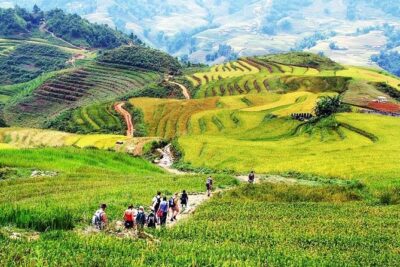
The route then leaves Sapa for the valley, passing rice terraces and traditional villages. The views are a major part of the appeal, but the guide is just as important. Guides including Cha, Ha, Ker, My, and Kae have led this experience, and visitors have valued learning about local life, plants, and the Hmong and Dao communities from people with direct ties to the area. You should not assume you will have a particular guide, but the emphasis is on local guiding rather than simply following a marked route.
More treks in Sapa:
- Hanoi – Sapa 2 Days 1 Night Overnight At Homestay
★ 5.0 · 899 reviews - Sa Pa: Muong Hoa Valley Trek and Local Ethnic Villages
★ 4.6 · 864 reviews - From Hanoi: 2-Day Sapa Trekking Trip with Homestay & Meals
★ 4.8 · 704 reviews
A 14-kilometre walk with a proper climb
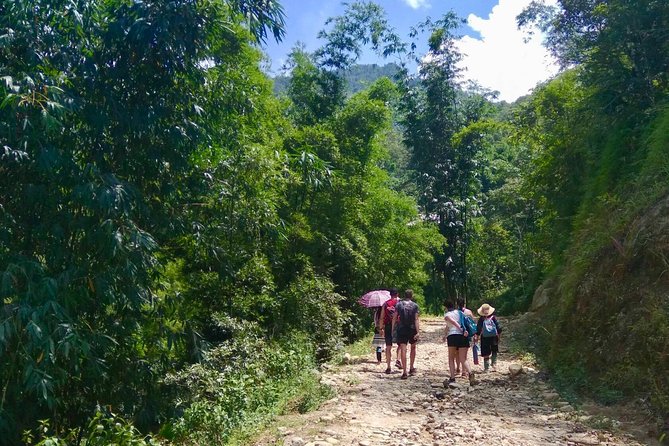
Day one is about 14 kilometres in total. The first six kilometres cross relatively easy, undulating ground, a useful warm-up through rice terraces and villages before the route gets steeper. There is a climb of around two kilometres before a stop, so pace yourself and treat the walk as a full day outdoors rather than a casual sightseeing break.
The terrain and exact route can make a difference to how demanding the day feels. The experience is described as suitable for people with moderate physical fitness, and some paths may be steep or uneven. If you are used to long walks, this should be manageable at a steady pace; if you rarely hike, consider whether a day of this length and a sustained climb will suit you.
The walk is also a chance to see village life at a human pace. Guides have shared details about plants and everyday routines, and the route can take you to places you would not reach simply by staying in Sapa town. The point is not to rush from viewpoint to viewpoint. You have time to talk, look around, and learn from the guide as you move between communities.
Lunch and an overnight stay with a host family
A central feature of the first day is sharing lunch with your host family, with time to cook and eat together. This is a more personal way to experience the region than stopping only for a view or a photo. The overnight homestay is in a village among rice paddies, giving the trip a change of scene from Sapa and a window into life outside town.
Expect a cultural stay, not a hotel night. The accommodation is included, along with dinner and breakfast, but the details of rooms and facilities are not specified. If you need particular amenities or have specific dietary needs, ask the operator before booking rather than assuming the homestay will match a city hotel.
The strongest part of this format is the chance to meet the people who live in the villages, including the guide’s family in some cases. Guides such as Cha and My have been praised for introducing their families and explaining local life. That kind of connection is what gives the overnight stop its value. It is also a reminder to approach the visit as a guest: be curious, listen, and let your guide lead on what is appropriate.
ETHOS presents the trek as an ethical cultural experience, and its community focus is central to how the day is described. The provider’s stated aim goes beyond selling a hike, with an emphasis on local knowledge and community livelihoods. The practical takeaway is that you are booking a guided cultural exchange as well as a walk. The quality of that exchange depends on your guide and your willingness to engage respectfully.
Day two lets you set the pace

After breakfast, continue walking through the valley. Unlike the first day’s defined distance, day two offers flexibility in both distance and challenge. You can choose a destination with your guide, which is helpful if you want another substantial hike or would rather keep the morning shorter after the previous day.
That flexibility makes the trip appealing to a range of walkers, but it does not remove the need to be honest about your energy and fitness. Discuss what you want from the day before setting out. The available information does not specify a fixed route or distance for day two, so do not book expecting a particular village or trail without confirming it with ETHOS.
A taxi brings you back to Sapa in the afternoon, and the activity ends at the original meeting point. The return ride is included in the general transport arrangements, so you do not need to plan a separate route back from the valley. The exact pickup time is not specified, only that it takes place in the afternoon.
Or change pace with something different:
- Sapa 2 Days 1 Night From Hanoi – Overnight in Ta Van Village
★ 5.0 · 2,669 reviews - Sapa: Fansipan Cable, Cat Cat Village & Moana Instagram Tour
★ 5.0 · 777 reviews - Sapa 3 Days 2 Nights Trekking Tour (1 Night In Ta Van Village, 1 Night In Hotel)
★ 5.0 · 699 reviews - Sapa: Eco Adventure Terrace Fields and Local Villages Trek
★ 4.9 · 636 reviews
What the private format changes
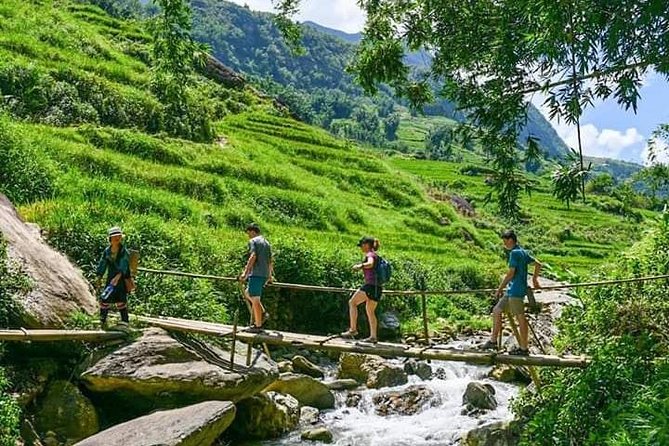
This is a private activity, meaning only your group participates. That can make a real difference on a trek where walking speed, comfort with steep ground, and interest in local culture vary from person to person. You can focus on your own questions and adjust the second day to your group’s preferences rather than keeping up with strangers.
There is a minimum group size of two for this booking. Solo visitors should check whether they can join another booking or arrange a second participant; the information provided does not offer a solo option. The private format also means the listed price is per person, but the minimum group rule still applies.
The guides’ names that have been associated with the experience include Cha, Ha, Ker, My, and Kae. Their role is not just to lead the route. Accounts of the trek highlight introductions to family members, explanations of Hmong and Dao life, and details about plants along the way. Guide assignments may vary, so treat those names as examples rather than a promise.
Is $93.34 good value?
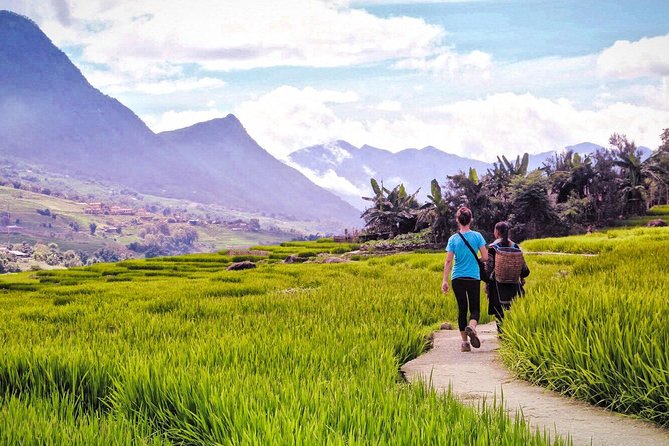
At $93.34 per person, the price covers a two-day private trek, a village homestay, private transportation, water and refreshments, and four included meals: two lunches, dinner, and breakfast. You are also paying for a local guide and a flexible second day, not only for miles on foot. For a private overnight trip with meals and transport included, that is a useful bundle to assess against arranging each part separately.
The experience is best value if the cultural side matters as much as the scenery. If you mainly want a quick look at rice terraces, a shorter outing may be a better fit. Here, much of the point is walking between villages, spending time with a host family, and learning from a guide. That takes longer, but it is also what makes the trip different from a standard day hike.
The listed average booking lead time is 59 days. That is a planning clue, not a guarantee that every date fills early. If you have a specific date in mind, checking availability ahead of time is sensible, especially because the tour is private and requires at least two people.
What to bring and consider before booking
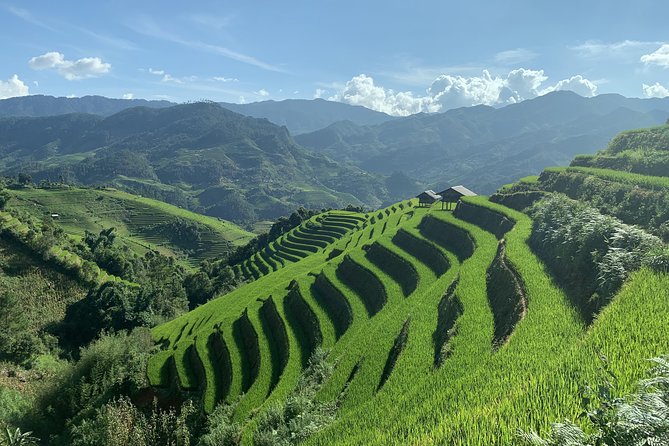
The tour includes water and refreshments, but the information does not specify what clothing or equipment is supplied. Bring suitable walking shoes and clothing for a full day outdoors, and check the local forecast before setting off. The route includes an extended climb, and good weather is required for the experience to run.
Consider your comfort with a homestay, too. You will be staying with a village family rather than returning to a hotel in Sapa at night. The accommodation is part of the cultural experience, but you should confirm any needs around food, room arrangements, or facilities directly with ETHOS.
Travel insurance is not included. Weather-related cancellations can result in a different date or a full refund, while customer cancellations made at least three full days before the start qualify for a full refund. Changes or cancellations inside that window are not accepted or refunded, so check the terms before you commit.
Who should choose this Sapa homestay trek?
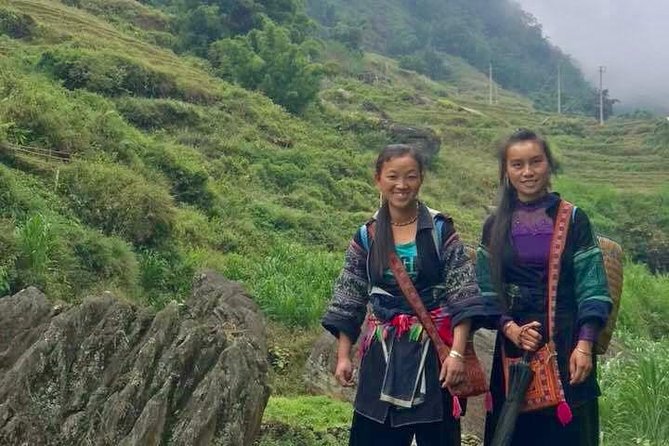
I would put this trip high on the list if you want more than a scenic walk and are comfortable giving two days to the Sapa Valley. It suits curious walkers who enjoy meeting local people, can handle a moderate trek, and are open to a simple village homestay. The private format is particularly useful for couples, friends, or families who want to keep their own pace.
It is less suitable if you have limited mobility, do not enjoy steep or uneven paths, or need hotel-style accommodation. The first day’s distance and climb are not minor details. You can tailor the second day, but you cannot skip the fact that day one is a substantial hike.
Should you book it?
Book this ETHOS trek if you want a guided, two-day introduction to Sapa’s villages that includes a host-family stay, shared meals, and time to learn about local life. Its best qualities are the combination of cultural contact and walking, the private format, and the flexible second day. Skip it if your main goal is an easy outing or if you would rather sleep in a conventional hotel.
FAQ
How long is the trek?
The activity lasts approximately two days. Day one is about 14 kilometres, while the distance and challenge on day two are flexible.
What time and where does the tour start?
It starts at 8:30 am at ETHOS – Spirit of the Community, Số 79 đường Nguyễn Chí Thanh, TT. Sa Pa, Sa Pa, Lào Cai 333311, Vietnam.
How difficult is the first day?
The first six kilometres are relatively easy but undulating, followed by a steep climb of around two kilometres. The tour recommends a moderate level of physical fitness.
Where do you stay overnight?
You stay in a homestay with a host family in a village set among rice paddies.
Which meals are included?
The tour includes two lunches, one dinner, and breakfast.
Is this a private tour?
Yes. Only your group participates. A minimum group size of two is required for this booking.
How do you return to Sapa?
A taxi pickup in the afternoon on day two brings you back to Sapa. The activity ends at the original meeting point.
What is included besides meals and accommodation?
Included items are private transportation, water and refreshments, and the homestay accommodation. Travel insurance is not included.
What happens if bad weather cancels the trek?
If the experience is canceled because of poor weather, you will be offered a different date or a full refund.
New on the list for Sapa
- From Hanoi: Sapa 3-Day Medium Trek and Limousine Trip★ 4.5 · 59 reviews
- 2 Night Lao Chai-Ta Van Homestay- Trekking & Fansipan Visit★ 4.0 · 8 reviews
- 2 days 2 nights in Sapa – Moana – Fansipan – Cat Cat Village★ 4.2 · 6 reviews
- 2 DAYS Explore SA PA’S Village through Scenic walking Trails★ 5.0 · 6 reviews
- 2-Day Sapa Tour – Overnight in Ta Van Village (All in One)★ 3.7 · 3 reviews
- 2-Day Fansipan Mountain Trek – Indochina’s Highest Peak★ 4.3 · 42 reviews
- 2 Day-2 Night Sapa Trekking: Overnight Train &Limousine Bus★ 3.9 · 7 reviews
- Trekking Sapa 1 Day With Local Guide, Terraced Rice Fields★ 4.5 · 5 reviews
Sapa Trekking Tours, compared.

Halong Bay Full Day with Kayaking, Hiking viewpoint, Cave – Deluxe To Luxury
Read our review →
Sa Pa: Muong Hoa Valley Trek and Local Ethnic Villages
Read our review →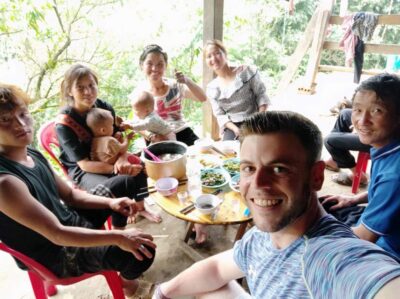
Sapa 3 Days 2 Nights Trekking Tour (1 Night In Ta Van Village, 1 Night In Hotel)
Read our review →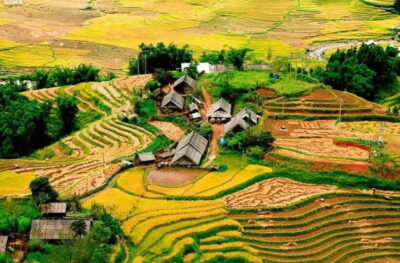
Eco Adventure Terrace Fields and Local Villages Trek
Read our review →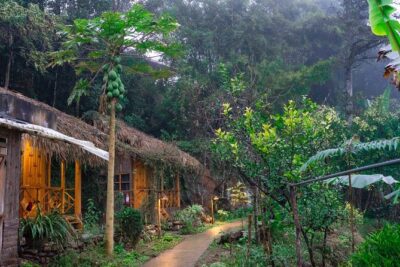
3-Day Trekking Adventure of Sapa from Hanoi – Stay Ta Van Village
Read our review →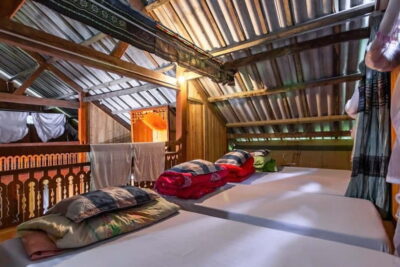
2-Day Sa Pa Ethnic Homestay Tour & Trek with Limousine Bus
Read our review →Browse the lists this tour appears in