
Reviewed · SAPA TREKKING TOURS
Rice Terraced Fields & Homestay Experience– 2D 1N
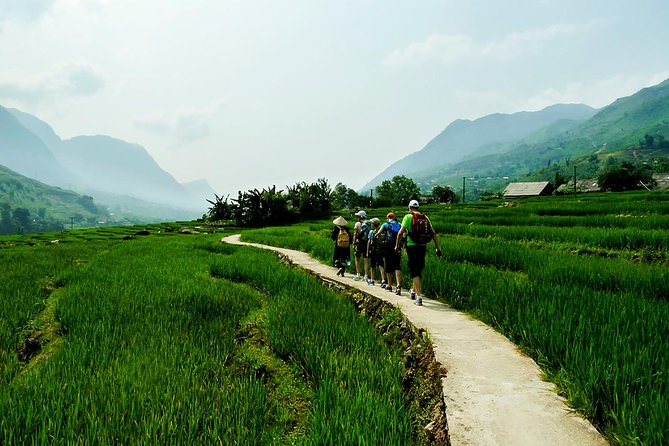
Sapa’s terraces make the most sense on foot, where you can see how the fields follow the hills and villages sit among them. This two-day trek pairs that scenery with a night in Ta Van, giving you more time outside town than a quick countryside outing.
I like two things in particular: a local guide adds context to the villages and the region, and the homestay turns the trek into an overnight visit rather than a march back to Sapa. Meals and village entry fees are included, which helps keep the $85 price straightforward.
The main caveat is that this is not a remote wilderness walk. Some of the route may follow paved roads with motorbike traffic, and the homestay’s cleanliness can vary. Expect a moderate physical effort, and pack with muddy or changeable trail conditions in mind.
At a glance
- A 9 am start in Sapa: Meet at Sapa Church or arrange pickup at your Sapa Town hotel.
- Two days on foot: Walk through villages and rice-growing country, with a second-day route toward Giang Ta Chai waterfall.
- One night in Ta Van: Stay with a local host family in a Giay village.
- Meals are covered: The tour includes breakfast, dinner, and two lunches, plus one large bottle of water per person.
- A very small listed group: The stated maximum is two travelers, so confirm group arrangements when booking if this matters to you.
A two-day route beyond Sapa Town
This tour is built around a simple but worthwhile idea: slow down enough to see the countryside between Sapa and the villages. You start in town at 9 am, meet your local guide, and head down toward the village roads. The exact pace and walking conditions depend on the group and the weather, but the tour calls for a moderate level of fitness.
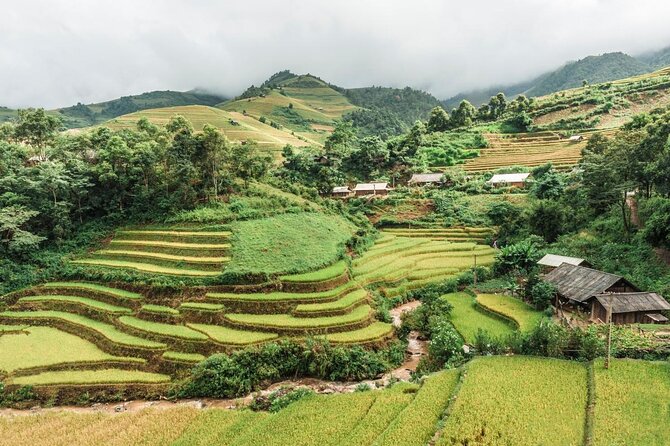
Sapa is known for its steep hillsides and rice terraces, but the fields are not always at their most photogenic. Their appearance changes with the agricultural season. You may see green growth, water-filled plots, or fields being prepared for planting. The views can still be striking when the terraces are not lush, because the contours of the hills and the Hoang Lien mountain outlook are part of the appeal.
The route includes village visits and a walk through bamboo forest before reaching the terraces. Cat Cat and Y Linh Ho are named in the tour description, while the first day’s detailed stop information also describes the walk toward Cat Cat’s road and the area around Y Linh Ho. The precise sequence is not fully spelled out, so ask the operator if you need a more exact route before booking.
More treks in Sapa:
- Hanoi – Sapa 2 Days 1 Night Overnight At Homestay
★ 5.0 · 899 reviews - Sa Pa: Muong Hoa Valley Trek and Local Ethnic Villages
★ 4.6 · 864 reviews - From Hanoi: 2-Day Sapa Trekking Trip with Homestay & Meals
★ 4.8 · 704 reviews
Day one: village paths, terraces, and Ta Van
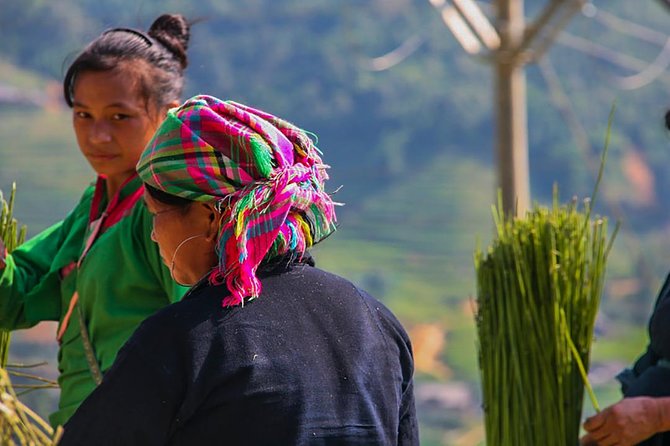
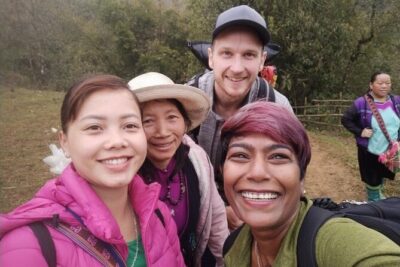
The day begins with a meeting at Sapa Church, or pickup from your hotel in Sapa Town. A local guide gives you an introduction, then leads the walk out of town toward the village area. That local perspective is one of the tour’s strongest features. Guides such as Sang, Su, Mi, Tung, Ly, and Soso have been named by people who took the trek, though you should not assume you will be assigned a particular person.
The first village stops bring you closer to daily life in the Sapa area, not just its famous views. The tour includes entry fees for villages, and the guide can help explain what you are seeing and how the local ethnic communities relate to the region. Participants have especially valued guides who share information about local culture and are encouraging on the walk. That matters on a route where the scenery is only part of the experience.
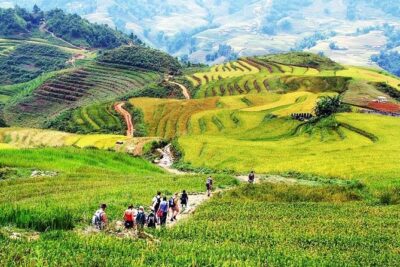
The walk continues through bamboo forest and toward the rice terraces. Here, take your time. The best moments may be less about reaching a single viewpoint than about noticing how the fields curve around the hills, how the paths connect settlements, and how the mountain backdrop changes as you move. The tour describes views toward Hoang Lien mountain, one of the day’s scenic rewards.
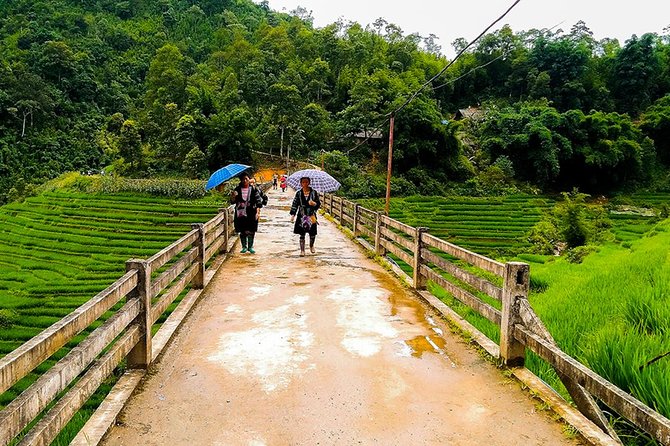
There is a practical trade-off: not every stretch is a quiet footpath. Some of the route may run along paved roads, and motorbikes can pass. You may also share popular sections with other walking groups. If your ideal trek means hours of empty trails, this route may feel more traveled than you hoped. If you can accept a mix of village roads and countryside paths, the walk still offers a useful way to connect the scenery and settlements.
After the day’s walk, you reach Ta Van, a village associated with the Giay community. Your host family welcomes you, and you have time to rest and take a hot shower before dinner. The overnight stay is a major part of the tour’s value: instead of returning to town after the views, you spend the evening in the countryside and wake close to the rice fields.
Keep your expectations practical. A homestay is not the same as a hotel, and standards can vary. One person may find the family home warm and welcoming; another may be disappointed by the cleanliness. If spotless rooms and hotel-style privacy are essential for you, ask the operator about the accommodation setup before you reserve. Bring any personal comfort items you rely on, and remember that extra drinks at the homestay are not included.
Dinner is provided, and the shared meal can be a natural chance to get to know your hosts and fellow walkers. The tour does not specify the menu or room arrangement, so do not count on a particular dish, private room, or amenity. What it does offer is a night in Ta Van, a village setting that makes the next morning’s walk feel like a continuation rather than a separate excursion.
Day two: morning fields and Giang Ta Chai waterfall
Start the second day with breakfast and time around the homestay. The description includes a chance to look at the surrounding area and nearby rice fields before setting out. This slower beginning is a welcome contrast to a tightly packed sightseeing schedule. You are already in the countryside, so the walk can start among the fields rather than after a transfer from town.
After breakfast, the route heads uphill toward Giang Ta Chai and its waterfall. The village and falls give the second day a clear destination, while the walk itself keeps the focus on the terrain and settlements along the way. The tour includes village entry fees and transport back to Sapa after the trek ends in the villages.
The route is described as moderate, not effortless. There are uphill sections, and you should be comfortable walking for extended periods on uneven or mixed surfaces. Your guide can help set the pace, but suitable shoes matter more than optimism. Pack for a proper day outside, and keep in mind that weather can affect whether the tour runs as planned.
The waterfall is a pleasant change of scene from the terraces, but the available details do not promise a particular water level or secluded stop. Treat it as one feature of a countryside walk, not a guaranteed private picnic spot. The appeal lies in spending two days linking villages, fields, and mountain paths with a guide who knows the area.
What the $85 price covers
At $85 per person, the price includes a local guide, one night of homestay accommodation, breakfast, dinner, two lunches, village entry fees, transport back to Sapa after the walk, an air-conditioned vehicle, and one large bottle of water per person. For a two-day trip, that is a useful bundle. You do not need to arrange a separate overnight stay or sort out each meal on the route.
The price is most compelling if you want both a guided walk and an overnight village stay. You are paying for more than transport to a viewpoint: the guide helps you navigate, village access is included, and the overnight gives the trek a fuller rhythm. If you only want a short walk and plan to sleep in Sapa, a day trip may better fit your needs, but it will not offer the same time in Ta Van.
Budget for extras. Personal travel insurance, additional drinks at the homestay, and tips are not included. The tour provides one large bottle of water per person, but you may want to bring extra water if you usually drink more while hiking. The exact trail distance and walking hours are not provided, so ask the operator if you need those details to judge the effort or plan around a tight schedule.
The stated maximum is two travelers. That suggests a very small arrangement, but confirm what the cap means for your booking, especially if you are traveling alone or as a pair. Small numbers can make it easier to ask questions and walk at a comfortable pace. Still, group conditions on the trail itself may be busier, since other tours use some of the same paths.
More two-day trips in Sapa:
- Sapa 2 Days 1 Night From Hanoi – Overnight in Ta Van Village
★ 5.0 · 2,669 reviews - Sapa 2 Days 1 Night From Hanoi – Overnight in Hotel
★ 5.0 · 440 reviews - 2-Day Sa Pa Ethnic Homestay Tour & Trek with Limousine Bus
★ 4.8 · 440 reviews - From Hanoi: 2-Day Sapa Limo Bus Tour & Fansipan Peak Visit
★ 4.6 · 277 reviews
Guides, comfort, and the right expectations
The guide is central to the quality of this experience. People who had a good trek often singled out guides by name, including Sang, Su, Mi, and Ly, for friendliness, care, and explanations of local culture. The operator describes itself as a small group of local Hmong people in Sapa. You cannot book a specific guide based on the information provided, but you can expect a local guide to lead the route.
A good guide matters especially when the route mixes village roads, footpaths, and popular trail sections. They help you keep moving, understand the places you pass, and get through the practical parts of a two-day walk. The experience is not a lecture or a staged cultural show. It is a guided trek with opportunities to see local communities and learn about the area as you go.
Comfort is less predictable at the homestay. The warm welcome and local setting are part of the attraction, but cleanliness standards may not match what you expect from a hotel. That does not make the stay a bad choice; it means you should book it for the setting and the chance to stay in Ta Van, not for luxury. If you are sensitive to shared or basic facilities, clarify the accommodation details before committing.
You should also go with an open mind about the trail. The terraces and mountain views are the headline, but sections can be paved and shared with motorbike traffic or other groups. Some days, the fields may be between growing seasons. The tour still gives you two days among villages and countryside, but it cannot control the crop calendar, weather, or how busy a route feels.
Who should book this Sapa trek?
I would choose this trip if you want an active introduction to the Sapa countryside, value a local guide, and are comfortable trading hotel comforts for a night in a village home. It suits people who want to walk through rice-growing country and visit local villages without organizing every meal, entry fee, and transfer themselves.
It is also a sensible fit if you have only a short stay in Sapa and want the countryside to be more than a quick stop. Two days lets you see several settings, from villages and bamboo forest to terraces and a waterfall, while the homestay breaks up the route.
I would hesitate if you want a remote trek with no road walking, require hotel-level cleanliness, or have difficulty with moderate uphill walking. Before booking, ask about the route’s distance, current trail conditions, and the homestay facilities. Those details are not specified here, and they are the ones most likely to shape your comfort.
At $85, the tour offers solid value for a guided two-day walk with meals, village fees, transport back to town, and a night’s accommodation. Book it for the combination of scenery, local guidance, and time in Ta Van. Skip it if the road sections or basic homestay conditions would spoil the trip for you.
FAQ
Where does the tour start, and what time does it begin?
The tour starts at 9 am. The meeting point is Sapa Church, and pickup from a hotel in Sapa Town is also described.
How long is the experience?
It lasts about two days, including one night in a homestay.
What meals are included?
Breakfast, dinner, and two lunches are included.
Is homestay accommodation included?
Yes. One night in a homestay is included. Extra drinks at the homestay are not included.
How strenuous is the walk?
The stated fitness level is moderate. The second day includes an uphill walk toward Giang Ta Chai waterfall.
What is the cancellation policy?
You can cancel at least 24 hours before the start time for a full refund. Cancellations made less than 24 hours before the start time are not refunded.
New on the list for Sapa
- From Hanoi: Sapa 3-Day Medium Trek and Limousine Trip★ 4.5 · 59 reviews
- 2 Night Lao Chai-Ta Van Homestay- Trekking & Fansipan Visit★ 4.0 · 8 reviews
- 2 days 2 nights in Sapa – Moana – Fansipan – Cat Cat Village★ 4.2 · 6 reviews
- 2 DAYS Explore SA PA’S Village through Scenic walking Trails★ 5.0 · 6 reviews
- 2-Day Sapa Tour – Overnight in Ta Van Village (All in One)★ 3.7 · 3 reviews
- 2-Day Fansipan Mountain Trek – Indochina’s Highest Peak★ 4.3 · 42 reviews
- 2 Day-2 Night Sapa Trekking: Overnight Train &Limousine Bus★ 3.9 · 7 reviews
- Trekking Sapa 1 Day With Local Guide, Terraced Rice Fields★ 4.5 · 5 reviews
Sapa Trekking Tours, compared.

Halong Bay Full Day with Kayaking, Hiking viewpoint, Cave – Deluxe To Luxury
Read our review →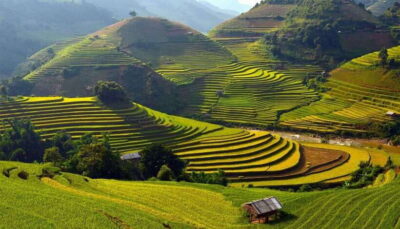
Sa Pa: Muong Hoa Valley Trek and Local Ethnic Villages
Read our review →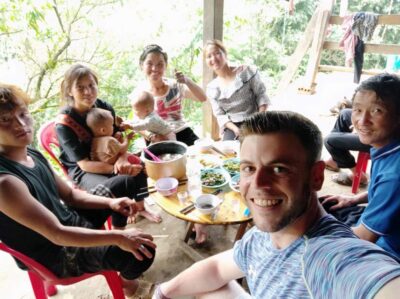
Sapa 3 Days 2 Nights Trekking Tour (1 Night In Ta Van Village, 1 Night In Hotel)
Read our review →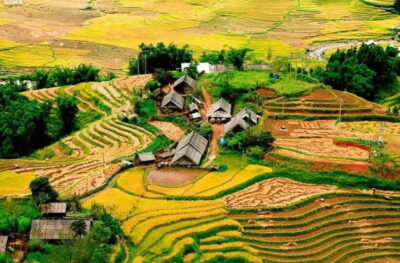
Eco Adventure Terrace Fields and Local Villages Trek
Read our review →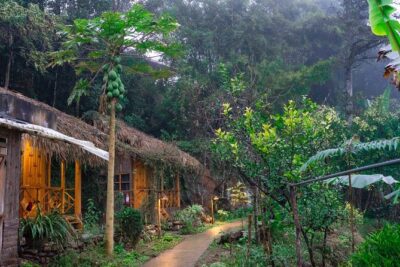
3-Day Trekking Adventure of Sapa from Hanoi – Stay Ta Van Village
Read our review →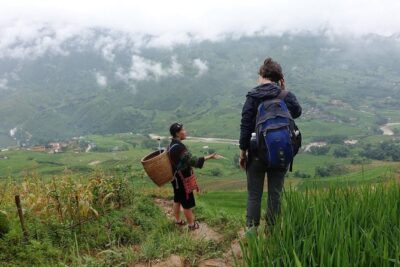
Number one top rated ethical cultural trekking and homestay by ETHOS
Read our review →Browse the lists this tour appears in