
Reviewed · SAPA TREKKING TOURS
Sa Pa: 2-Day Trekking Trip with Ethnic Minority Homestay
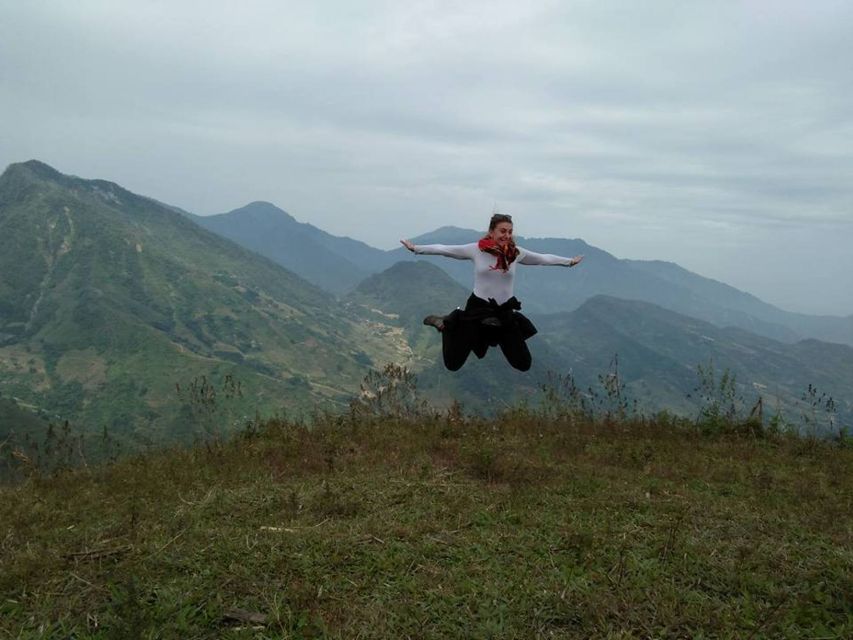
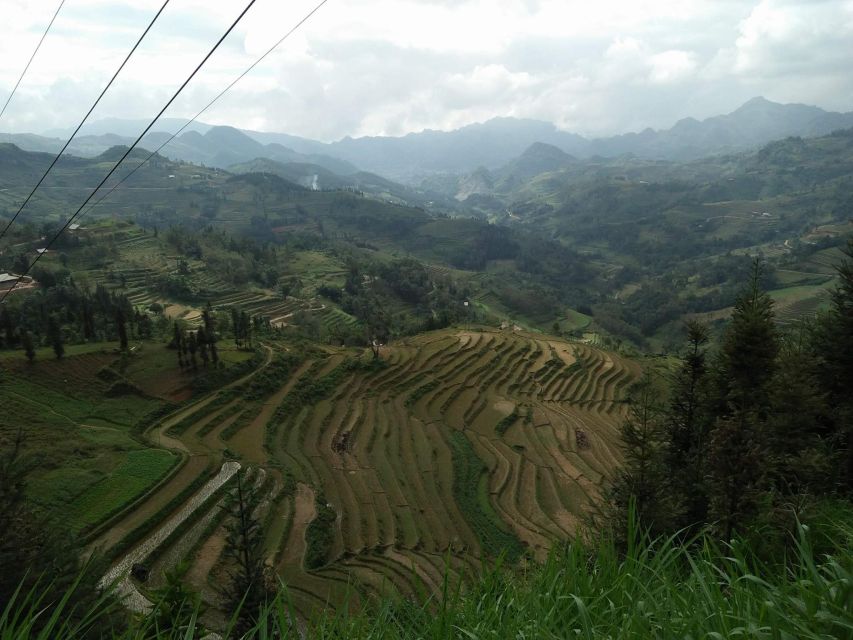
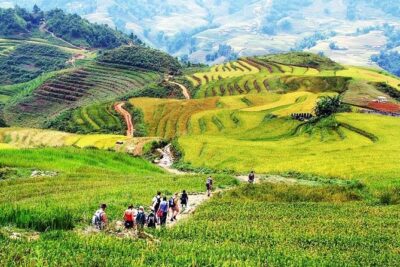
The draw here is the change of pace: you leave Sa Pa on foot, descend into the Muong Hoa Valley, and spend a night in a village rather than returning to town. Over two days, the route links rice terraces and mountain views with villages where Hmong and Dzay families live and work.
I like two things in particular: the English-speaking guide helps make the cultural visits more than quick photo stops, and the overnight stay gives you time to share a meal with a local family. The trek covers 19 kilometers in total, so you also get a proper walk, not just a ride to a viewpoint.
The trade-off is the trail. After rain, sections can be muddy and slippery, and the first descent may feel harder than the distance suggests. Local women may walk alongside you and hope you will buy their handicrafts, so be ready to decline politely if you are not interested.
At a glance
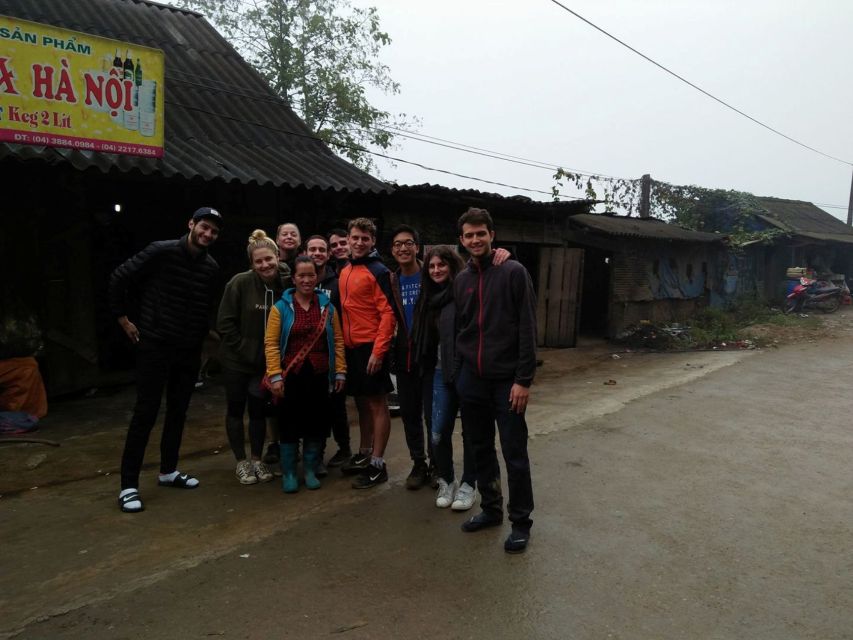
- Two days on foot: About 11 kilometers on day one and 8 kilometers on day two, with the second day ending in a return drive to Sa Pa.
- A night in Ta Van: Stay with a Dzay family, with dinner and breakfast included.
- Villages along the route: Meet Black Hmong people in Y Linh Ho and pass settlements including Lao Chai and Ta Van.
- A small group: The tour is limited to 14 people, with an English-speaking guide.
- Meals are covered: The price includes two local lunches, one hosted dinner, and breakfast at the homestay.
- Prepare for mud: Trekking shoes, warm layers in cooler months, sun protection, and insect repellent are useful.
Sa Pa to the valley on foot
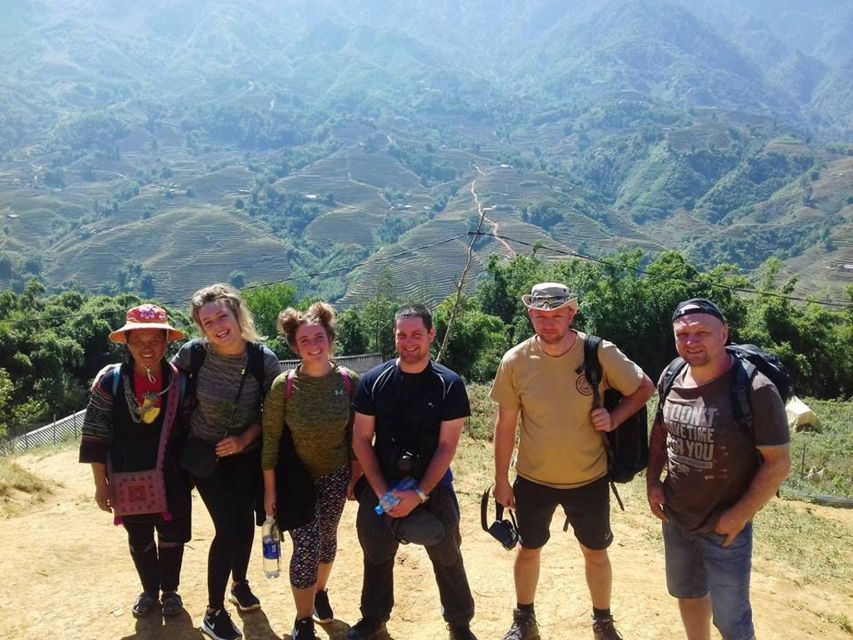
This trip begins in Sa Pa, where pickup is available from hotels in the town center. From there, you head toward the Muong Hoa Valley, a mountain setting known for its rice terraces and views toward Fansipan. The exact starting time depends on availability, so check the schedule before booking and allow for a full two-day outing.
Walking is the point. A road trip can show you a valley from above, but a trek takes you down among the fields and settlements. You get time to notice the changing views and ask your guide about the people who live in the villages. The tour includes entrance tickets to the sites on its route, so you do not need to arrange those separately.
The group limit of 14 helps keep the walk manageable. It also gives you a better chance to hear your guide and ask questions than you might get in a large bus group. Guides named on this route include Lan, Khu, Lang, and Nhu, though your assigned guide will depend on the date.
More Sapa trips in Sa Pa:
- Sa Pa: Muong Hoa Valley Trek and Local Ethnic Villages
★ 4.6 · 864 reviews - Sapa: Eco Adventure Terrace Fields and Local Villages Trek
★ 4.9 · 636 reviews - From Sapa: 1-Day Guided Trek to Lao Chai & Ta Van with Lunch
★ 4.9 · 416 reviews
Day one: Y Linh Ho, Lao Chai, and Ta Van
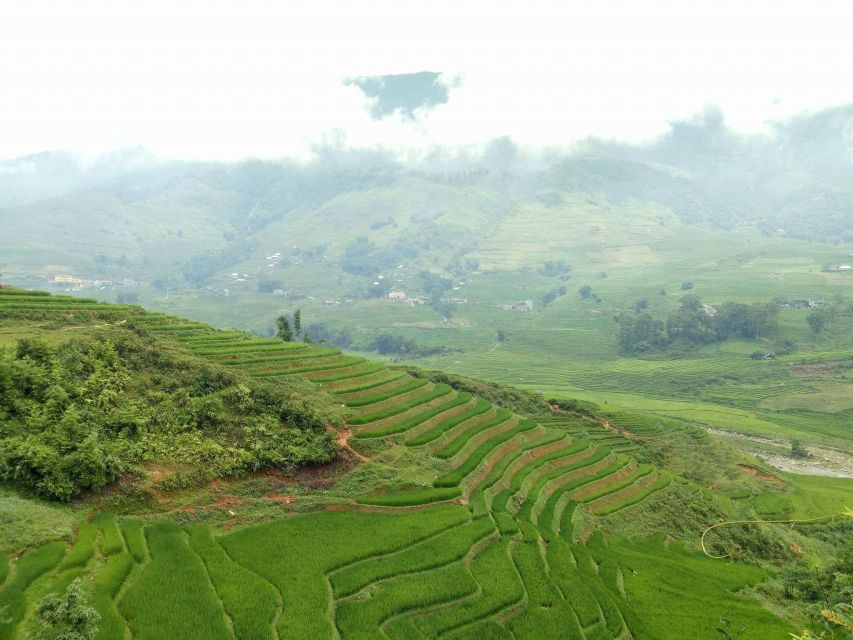
The first day is the longer one, at about 11 kilometers. The route passes through Y Linh Ho, where you meet Black Hmong residents, and continues through the valley toward Lao Chai and Ta Van. You’ll see rice paddies, mountain scenery, and typical wooden houses, with the guide explaining local customs and differences between the communities.
That explanation is worth paying attention to. The villages are not a single cultural stop with one shared identity: the route connects communities with distinct traditions. A good guide can help you understand what you are seeing and answer questions without turning everyday life into a performance. Guides on this trek have been praised for clear English, patience, and a willingness to adapt the pace or route to the group.
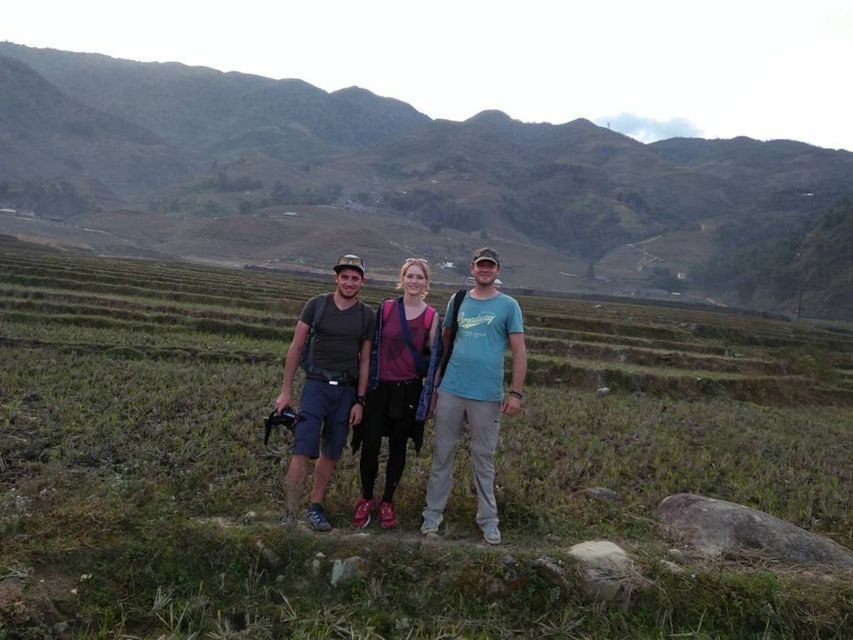
The scenery is a major part of the day, but don’t expect a smooth, paved walk from start to finish. The trail can be slippery after rain, especially on the descent into the valley. Take steady steps and wear shoes with grip. Some local women may accompany walkers for part of the route and offer handicrafts for sale. Their presence can be helpful on muddy sections, but it may also feel like sales pressure. A polite, clear no is enough if you do not want to buy.
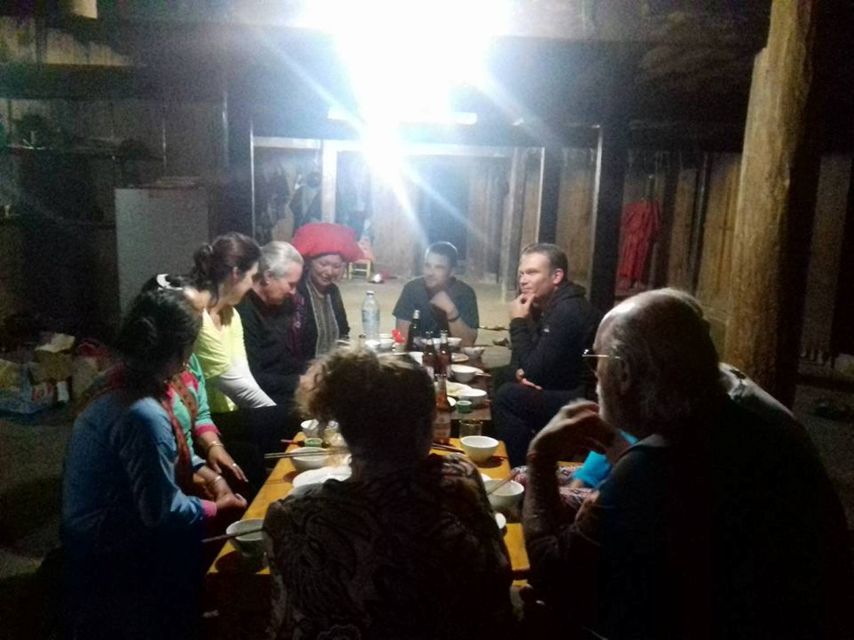
Lunch is included at a local restaurant. Later, you reach Ta Van and check in at a Dzay homestay. This is the shift that makes the trip feel different from a day hike: you are not simply passing through the valley, but staying overnight in a village. Dinner is hosted there, giving you time to eat with the family and ask your guide about village life. The food is one of the most consistently praised parts of the experience, with home-cooked dishes served as part of the group meal.
A night with a Dzay family
The homestay is a local home, not a hotel. That distinction matters when you pack and set expectations. You can expect a straightforward place to sleep and a shared meal, rather than polished hotel service or a long list of evening activities. Some stays have been described as comfortable, clean, and warm, but standards can vary between homes.
The overnight stop is valuable because it gives the trek room to breathe. You can settle in, eat dinner, and spend time with your group rather than rushing back to Sa Pa after the walk. For many people, that shared evening is as memorable as the views. It is also a chance to experience hospitality in a village setting, while remembering that you are a visitor in someone’s home.
Keep your approach respectful. Ask before photographing people or entering private areas, follow your guide’s advice, and be considerate during the meal. The tour is designed to introduce you to local customs, but it is not a staged cultural show. Listening and being courteous will make the visit better for you and for your hosts.
Day two: bamboo, waterfall, and river
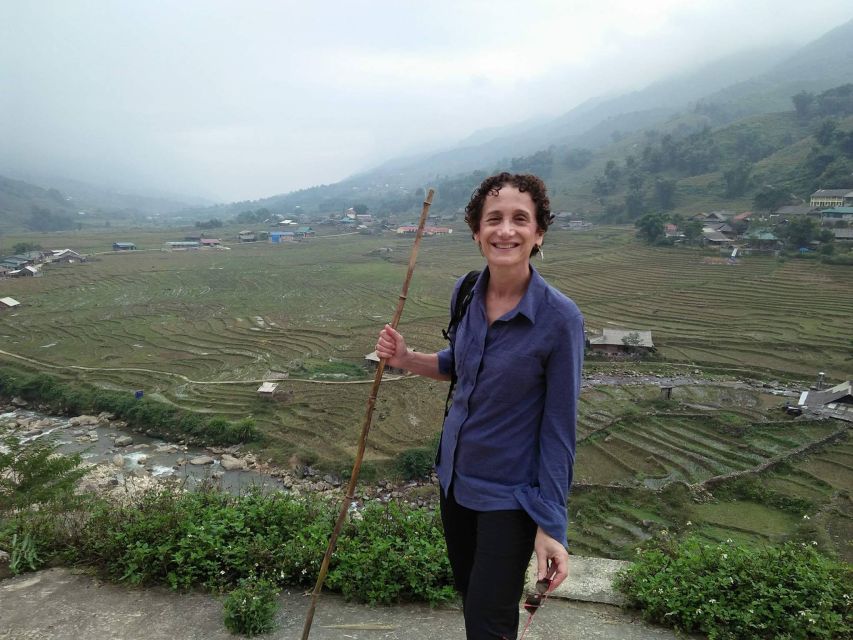
After breakfast at the homestay, the second day covers about 8 kilometers along a dirt trail. You pass a small Hmong village and continue toward a bamboo forest, then stop near a waterfall. The route offers a different feel from the first day’s walk through villages and rice paddies, with more time among trees and along the river.
There is an opportunity to cool off with a swim in the Muong Hoa River. Treat it as an optional break, not a requirement; bring what you need if you think you may want to get in. After the walk, lunch is served at a local restaurant, then a bus takes you back to Sa Pa.
The return drive is a practical part of the package, but leave a little breathing room if you have an onward connection. One group has experienced a delay while waiting for another party in the van. That is not a reason to avoid the tour, but it is a good reason not to book a bus or train immediately after the scheduled return.
More treks in Sa Pa:
- Sapa 1 Day Long Trek: Trek to Hau Thao and Sa Seng Villages
★ 4.6 · 344 reviews - EXPLORE SAPA: 2D1N TREKKING & HMONG CULTURE WITH DINH
★ 4.9 · 191 reviews - Sa Pa: 6-Hours Muong Hoa Valley Trek with Local Ethnic guide
★ 4.5 · 178 reviews - Half Day Sapa Trekking to Visit Lao Chai – Ta Van
★ 4.7 · 126 reviews
What the $55 price covers
At $55 per person, this is a strong-value way to combine a guided trek, village visits, meals, a homestay, and transport. The price includes an English-speaking guide, entrance tickets for the listed stops, two lunches, dinner, breakfast, mineral water, accommodation in a Dzay village, and the return transfer by bus.
Those inclusions reduce the amount you need to arrange yourself. You do not have to find a place to eat between walking sections or organize transport back to town from the valley. The main extras are drinks, personal purchases, and any other expenses not listed as included. A Lunar New Year surcharge of $30 per person applied from January 26 to February 2, 2025, payable at the meeting point; check the current dates and terms if you plan to travel during the holiday.
Value also depends on what you want from Sa Pa. If you mainly want a quick viewpoint visit, a two-day trek may be more time and effort than you need. If you want to walk through the valley, learn about Hmong and Dzay communities from a local guide, and stay overnight outside town, the package brings the main pieces together at a reasonable price.
How hard is the trek?
The itinerary totals 19 kilometers across two days, but the number alone does not tell the whole story. The first day is longer, and mud can make the trail more demanding. Some people find the walking manageable in clear conditions, while wet weather can make footing the main challenge.
You should be comfortable walking on uneven dirt trails and able to manage the distance without mobility assistance. The activity is not suitable for people with mobility impairments, back problems, or pregnant women, and children under 6 are not eligible. It is also not recommended for disabled people. If you have concerns about your fitness or health, ask the operator about trail conditions before booking.
Pack comfortable trekking shoes with good grip, warm clothing, sunglasses, sunscreen, and insect repellent. Warm layers are especially recommended from October through March. Rain can turn the trail slick, so it is sensible to bring clothing that can handle changing weather, even if the forecast looks promising.
Who will enjoy this trip most?
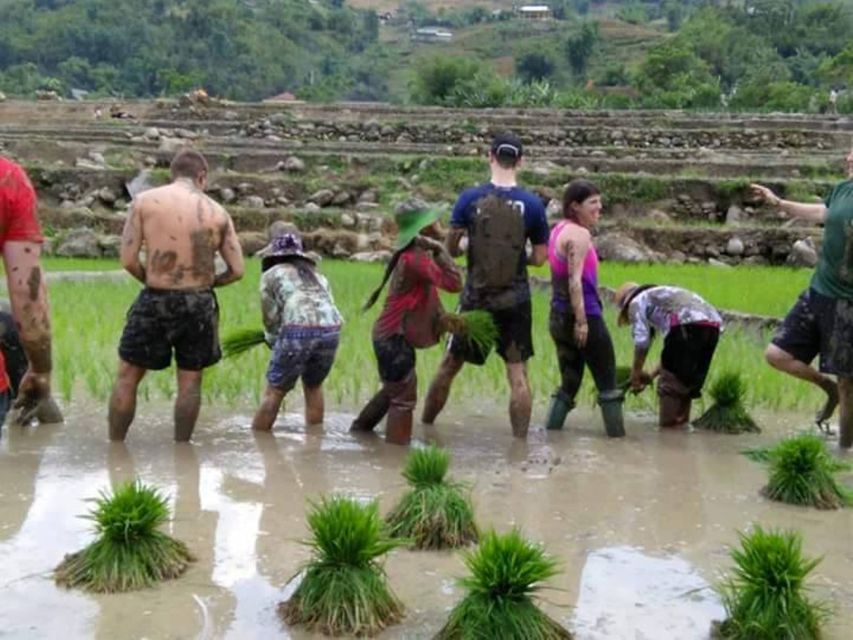
This trek suits you if you like walking, want more than a quick glimpse of the valley, and are curious about daily life in the villages. It works particularly well for people who enjoy small-group outings and are happy with simple accommodation. The guide is central to the experience: names such as Lan, Khu, Lang, and Nhu have been associated with friendly explanations, help on the trail, and cultural context, but guide assignments vary.
It may not suit you if you need smooth paths, hotel-style comfort, or a tightly timed return to Sa Pa. Muddy sections, a basic homestay, and the possibility of a delayed van are worth considering. The first-day sales approaches can also be uncomfortable for some people, though you can decline purchases.
You can cancel up to 24 hours in advance for a full refund, and a reserve-now, pay-later option is available. Those terms offer some flexibility, but the more important decision is whether you are ready for two days of walking and a night in a village home.
Should you book it?
Book this trip if you want Sa Pa to be more than a scenic stop. The strongest reasons are the 19 kilometers of walking, the chance to visit several communities with a guide who can explain what you are seeing, and the shared dinner and overnight stay in Ta Van. For $55, the included meals, accommodation, tickets, guide, and transport make the price appealing.
Skip it if you are uncomfortable on muddy trails, need step-free access, or prefer a hotel room and a fixed return time. If you go, bring proper shoes, keep your schedule after the trek flexible, and approach the village visits with patience and respect. That combination gives you the best chance of enjoying both the walk and the human encounters along it.
FAQ
How long is the trek?
The first day is about 11 kilometers, from Sa Pa through Y Linh Ho and Lao Chai to Ta Van. The second day is about 8 kilometers, passing a Hmong village, bamboo forest, and waterfall before the return drive to Sa Pa.
Where do you stay overnight?
You stay at a homestay in a Dzay ethnic minority village in Ta Van. Dinner is hosted there, and breakfast is served at the homestay.
What meals are included?
The tour includes two lunches at local restaurants, one hosted dinner in the village, and one breakfast at the homestay. Drinks are not included.
Is the trek suitable for children?
It is not suitable for children under 6 years old. The tour is also not suitable for pregnant women, people with back problems, or people with mobility impairments.
What should I bring?
Bring comfortable trekking shoes, warm clothing, sunglasses, sunscreen, and insect repellent. Warm clothes are recommended from October through March.
What is included in the $55 price?
The price includes an English-speaking guide, entrance tickets to the indicated sites, two lunches, dinner, breakfast, homestay accommodation, mineral water, and return bus transfer.
Is pickup available in Sa Pa?
Yes. Pickup is available from hotels in Sa Pa’s town center. The starting time depends on availability.
More two-day trips in Sa Pa
- 2-Day Fansipan Mountain Trek – Indochina’s Highest Peak
★ 4.3 · 42 reviews - AUTHENIC 2D1N Trek & Bungalow Retreat with Dinh Hmong Family
★ 5.0 · 19 reviews - 2 Day-2 Night Sapa Trekking: Overnight Train &Limousine Bus
★ 3.9 · 7 reviews - 2 days 2 nights in Sapa – Moana – Fansipan – Cat Cat Village
★ 4.2 · 6 reviews
New on the list for Sa Pa
- AUTHENIC 2D1N Trek & Bungalow Retreat with Dinh Hmong Family★ 5.0 · 19 reviews
- From Hanoi: Sapa 3-Day Medium Trek and Limousine Trip★ 4.5 · 59 reviews
- 2 Night Lao Chai-Ta Van Homestay- Trekking & Fansipan Visit★ 4.0 · 8 reviews
- 2 days 2 nights in Sapa – Moana – Fansipan – Cat Cat Village★ 4.2 · 6 reviews
- 2 DAYS Explore SA PA’S Village through Scenic walking Trails★ 5.0 · 6 reviews
- 2-Day Fansipan Mountain Trek – Indochina’s Highest Peak★ 4.3 · 42 reviews
- 2 Day-2 Night Sapa Trekking: Overnight Train &Limousine Bus★ 3.9 · 7 reviews
- Trekking Sapa 1 Day With Local Guide, Terraced Rice Fields★ 4.5 · 5 reviews
Sapa Trekking Tours, compared.

Halong Bay Full Day with Kayaking, Hiking viewpoint, Cave – Deluxe To Luxury
Read our review →
Sa Pa: Muong Hoa Valley Trek and Local Ethnic Villages
Read our review →
Sapa 3 Days 2 Nights Trekking Tour (1 Night In Ta Van Village, 1 Night In Hotel)
Read our review →
Eco Adventure Terrace Fields and Local Villages Trek
Read our review →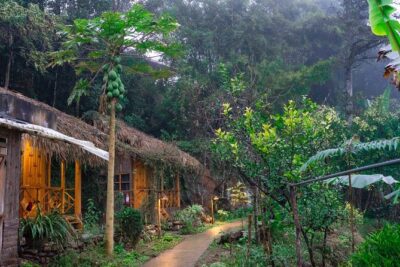
3-Day Trekking Adventure of Sapa from Hanoi – Stay Ta Van Village
Read our review →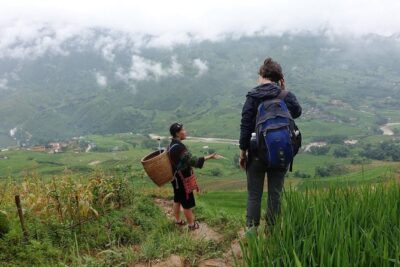
Number one top rated ethical cultural trekking and homestay by ETHOS
Read our review →Browse the lists this tour appears in