
Reviewed · SAPA TREKKING TOURS
Sa Pa: 6-Hours Muong Hoa Valley Trek with Local Ethnic guide
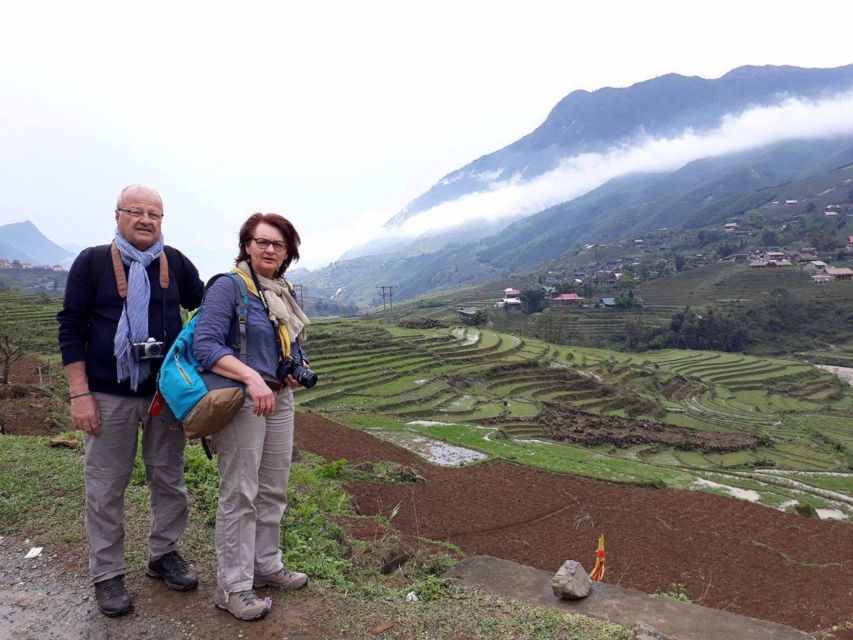
Muong Hoa Valley is best seen on foot. This 10-kilometer trek takes you from Sa Pa down through rice terraces and village paths to Y Linh Ho, Lao Chai and Ta Van, with a local English-speaking guide to explain the communities along the way. I like the close views of the fields and the chance to visit traditional homes rather than just admire the valley from the road.
I also like that the walk brings together two useful parts of a Sa Pa day: learning about Black Hmong and Dzay customs, and seeing crafts such as batik, indigo dyeing and hemp weaving. The trade-off is the terrain. Steep, uneven paths can turn slippery in rain, so this is a proper trek, not a gentle village stroll.
At a glance
- A 10-kilometer route: Expect a substantial walk, much of it downhill on uneven paths, not a short scenic stop.
- Three village visits: Y Linh Ho, Lao Chai and Ta Van offer different chances to meet local people and learn about daily life.
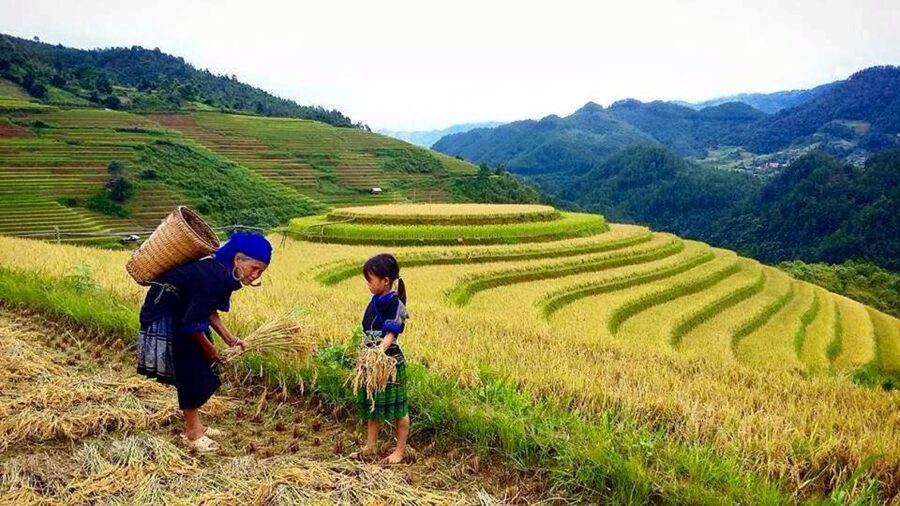
- Rice terraces up close: Lao Chai is a highlight for broad views across the cultivated slopes.
- Crafts with local context: Hear about indigo dyeing, batik and hemp weaving, as well as rice cultivation.
- A small group: The tour is limited to 11 participants and includes an English-speaking guide.
- Plan for the ground and the bill: Wear trekking shoes, bring weather protection and budget separately for lunch and drinks.
From Sa Pa’s streets to Y Linh Ho
The outing starts in Sa Pa, with pickup offered at hotels in town. The operator asks for your hotel name and address to check whether pickup is possible; if not, you will need to go to a meeting point. Confirm that detail before the day, rather than assuming every hotel is on the pickup route.
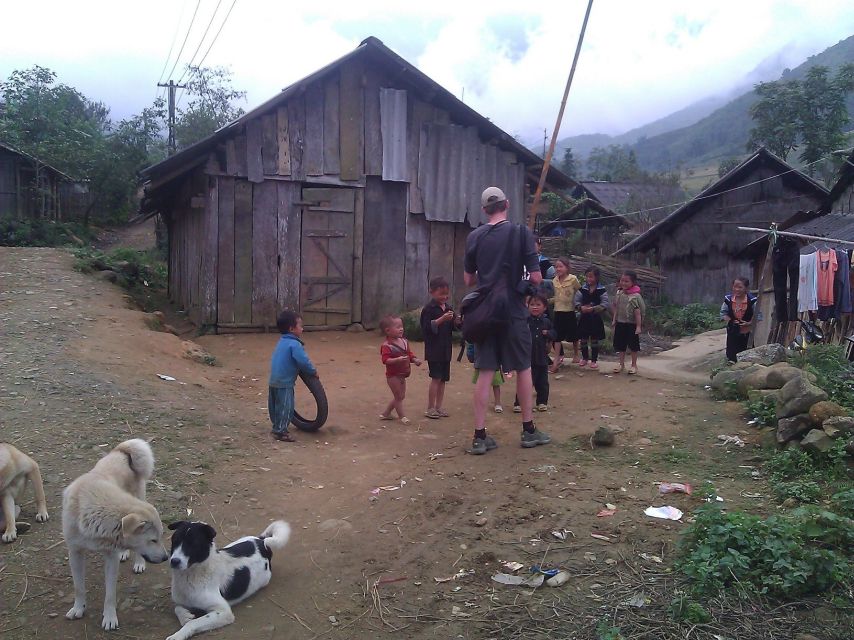
The first described stretch is a scenic walk of about 20 minutes toward Y Linh Ho, a village associated with the Black Hmong community. The village center is a chance to see ordinary local activity and begin learning about life in the valley. This is not a museum visit with displays behind glass. The value comes from walking through inhabited places with a guide who can provide context.
The pace and quality of the explanation can shape the day. Guides on past outings have included Sang, Su, Sai, Bao and Dong, but the guide assigned to your date may be someone else. The tour is conducted in English, and the group limit of 11 gives you a better chance to hear explanations and ask questions than a large coach group would.
Treat the walk as a cultural visit, not a photo hunt. Ask before taking pictures of children, and do not touch their heads. Those simple courtesies matter in any village visit, especially when the setting is someone’s home and working community.
More Sapa trips in Sa Pa:
- Sa Pa: Muong Hoa Valley Trek and Local Ethnic Villages
★ 4.6 · 864 reviews - Sapa: Eco Adventure Terrace Fields and Local Villages Trek
★ 4.9 · 636 reviews - From Sapa: 1-Day Guided Trek to Lao Chai & Ta Van with Lunch
★ 4.9 · 416 reviews
Lao Chai’s terraces and Hmong crafts
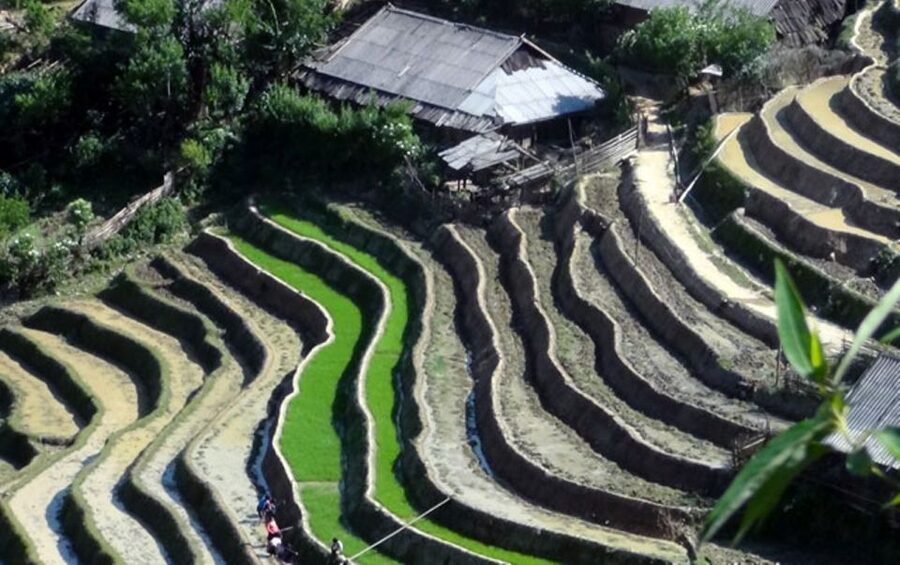
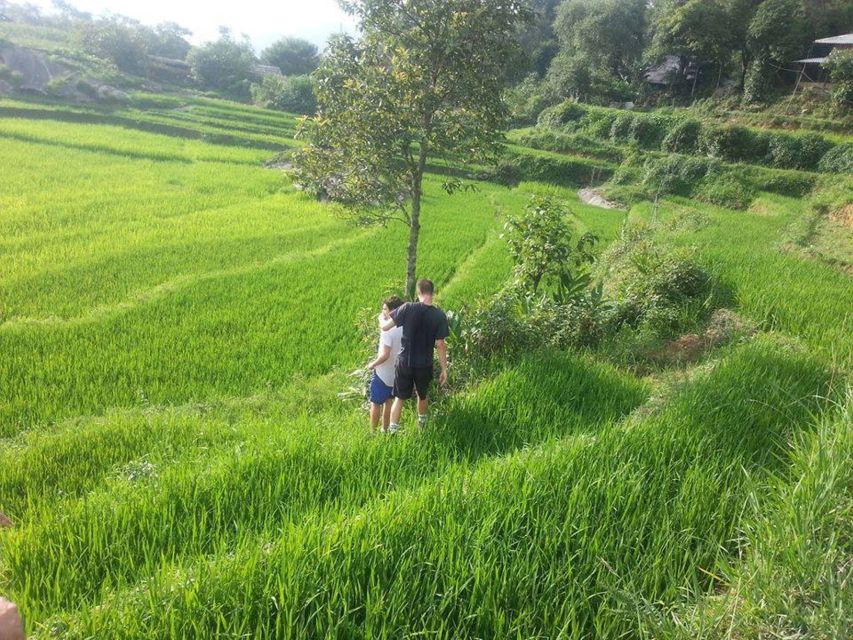
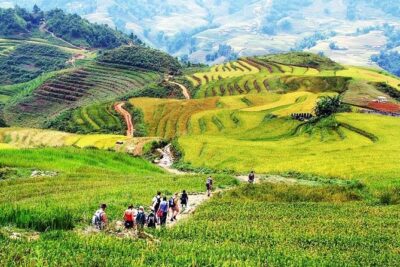
From Y Linh Ho, the route continues toward Lao Chai. Here, the draw is the scale of the rice terraces, layered across the valley sides. Walking through the area puts you closer to the fields than a roadside viewpoint does, and the changing angle helps you see how the slopes are worked.
The views depend on the weather. Clear conditions can open up broad sightlines across the valley, while winter fog may soften or obscure them. Rain has a more immediate effect on the walk itself: dirt tracks and field edges can become muddy and slick. Reviews of the route describe steep sections and uneven surfaces, including paths where local women have offered a hand on descents. That help can be reassuring, but it does not make the route easy or remove the need for careful footing.
In Lao Chai, the guide introduces traditional Hmong crafts, including indigo dyeing, batik making and hemp weaving. These activities give useful context to textiles you may see in the villages or at local stalls. The itinerary promises an introduction to the crafts, so think of this as a chance to learn about the techniques, not a guaranteed hands-on workshop.
This is also a good point to slow down and look beyond the camera view. The terraces are working fields, and the villages are lived-in places. A guide can help explain what you are seeing, while a little patience lets you notice the details of the paths, homes and cultivation around you.
Lunch is a pause, not part of the ticket
Lunch is planned at a local restaurant during the trek, but food and soft drinks are not included in the $18 price. Set aside money for your meal and any drinks. The tour includes one 500-milliliter bottle of water per person, which is a modest start for a six-hour walk, so bring extra water if you know you will need it.
The restaurant meal has been described as a good spread of local food, though the experience and dishes can vary. One practical detail to keep in mind is that local women and children may approach the table to offer handmade goods. Some walkers welcome the chance to buy directly; others find repeated approaches distracting. You are not obliged to purchase anything. If you are interested, ask the price clearly and buy only what you genuinely want.
That interaction is worth understanding before you go. Local people may help walkers over muddy or steep sections, and some also sell crafts along the route or at lunch. Be appreciative, but keep your own boundaries. A polite no is enough, and a purchase is a personal choice rather than an expected part of the tour fee.
Ta Van and the Dzay community
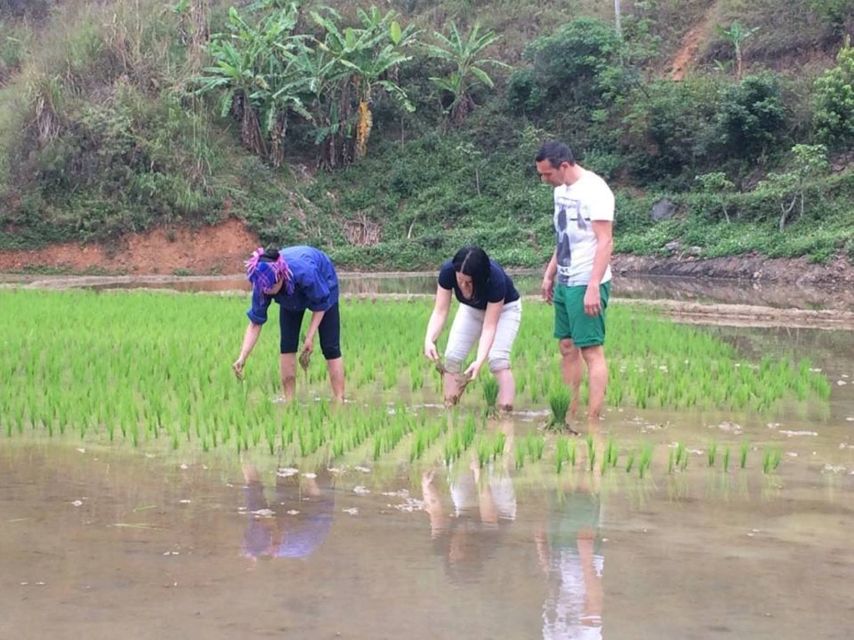
After lunch, the walk continues to Ta Van, where you visit traditional local homes and learn more about weaving and rice cultivation. This stop adds a domestic perspective to the day. You have already seen fields and crafts; here, the guide can connect those subjects with the homes and routines of people who live in the valley.
Ta Van is also where you learn about the Dzay community. The tour focuses on differences in customs and clothing between communities, giving you a broader picture than a single-village visit would. Approach this respectfully. The point is not to treat clothing as a costume display, but to understand that Sa Pa’s nearby communities have distinct identities and traditions.
The schedule does not promise a long stay in each home, so keep expectations realistic. This is a six-hour trek with several stops, not an extended homestay or a full-day cultural workshop. Still, combining the village visits with the walk gives the guide a useful setting for explaining how agriculture, craft and daily life fit together.
More treks in Sa Pa:
- Sapa 1 Day Long Trek: Trek to Hau Thao and Sa Seng Villages
★ 4.6 · 344 reviews - EXPLORE SAPA: 2D1N TREKKING & HMONG CULTURE WITH DINH
★ 4.9 · 191 reviews - Sa Pa: 2-Day Trekking Trip with Ethnic Minority Homestay
★ 4.7 · 145 reviews - Half Day Sapa Trekking to Visit Lao Chai – Ta Van
★ 4.7 · 126 reviews
The final miles and bus ride back
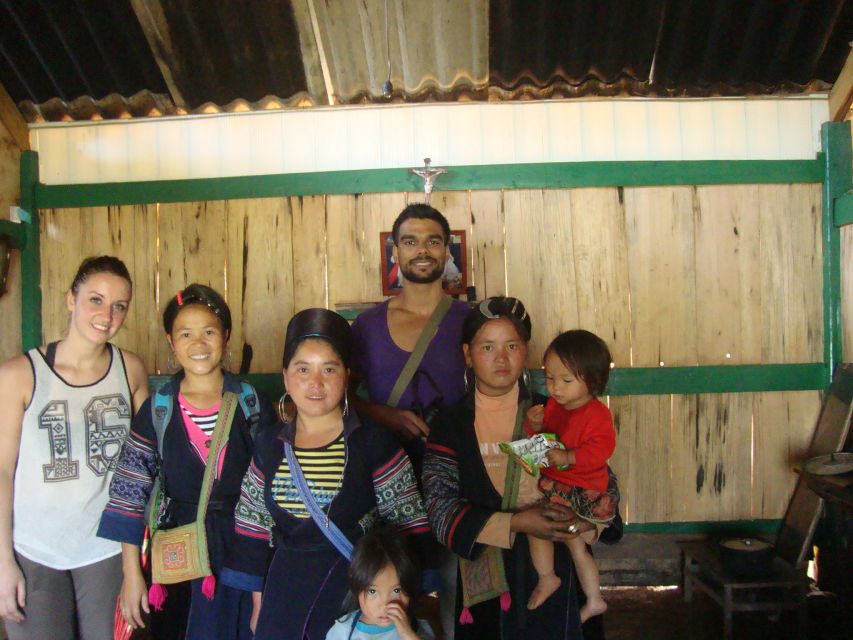
The trek ends in the valley, and a bus takes you back to Sa Pa, dropping you at the local office in the town center. It is not a loop walk, so you do not need to retrace the full route on foot. That return transfer is a welcome finish after several hours on paths and slopes.
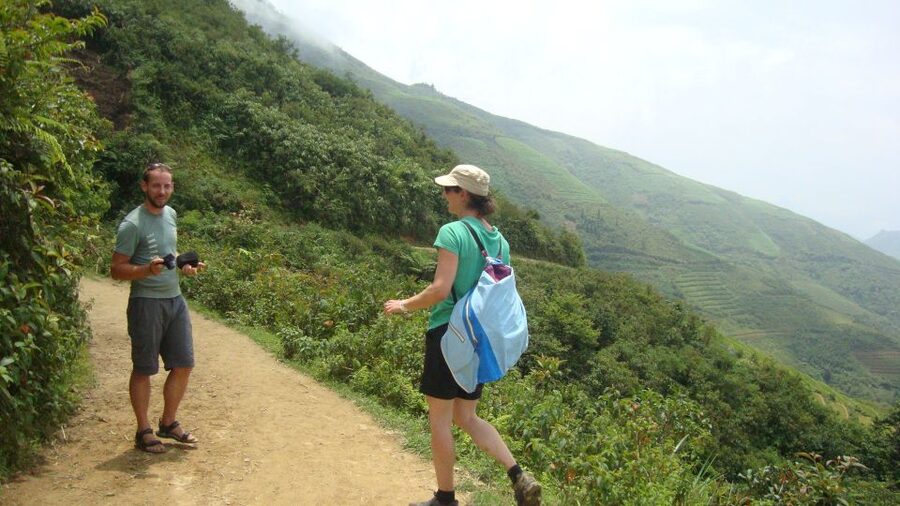
Allow for the fact that the walking can feel harder than the distance suggests. The route is around 10 kilometers, and uneven ground, heat or mud can add effort. Some stretches are on concrete or stone, but you should not expect a smooth trail throughout. A number of walkers have found the downhill sections especially demanding, even when they considered themselves reasonably active.
The tour’s six-hour duration is helpful if you have limited time in Sa Pa, but it is still a major part of the day. The schedule includes village stops, a lunch break and the return bus, so do not plan a tight activity immediately afterward. Weather, walking pace and group needs can affect how the day feels.
What $18 gets you, and what it does not
At $18 per person, the tour offers strong value if you want a guided valley walk rather than arranging transport and village visits yourself. The price includes the English-speaking guide, transportation by bus, entrance tickets to the indicated sites and one small bottle of water. A group capped at 11 is another useful feature: small enough for a more personal walk, while keeping the price accessible.
Lunch, soft drinks, travel insurance, VAT and personal expenses are extra. The meal is not an optional detail to forget, since the walk lasts six hours and the itinerary includes a restaurant stop. Budget for lunch and drinks separately, and check the final booking terms for any costs that apply to your travel dates.
There are also listed surcharges that need careful checking. The activity information gives different Lunar New Year dates and amounts in different places, including a 2025 surcharge of $20 per person and an older notice of $30 for dates in 2024. It also lists a $20 per-person supplement for a French-speaking guide. Since the holiday dates and fees can change, confirm the current charge directly before booking if either applies to you.
The booking terms allow free cancellation up to 24 hours in advance, and a reserve-now, pay-later option is available. Those terms add flexibility, but they do not change the physical demands of the route.
Who should take this trek
This outing suits you if you enjoy active days, can manage uneven ground and want more than a quick view from a lookout. It works particularly well for visitors with limited time who want to combine mountain scenery, village visits and cultural explanation in one outing. Families with older children may find it rewarding, though the activity is not suitable for children under six.
It is not a good choice if you have limited mobility, use a wheelchair, are pregnant or are looking for a gentle walk. The tour information also advises senior citizens against the 10-kilometer trek because it can be challenging and dangerous in wet weather. That is a sensible warning, not a formality. If balance or steep descents are a concern, choose a less demanding way to see the valley.
Season and preparation make a real difference. Between October and March, bring warm clothes. In any season, pack trekking shoes, sunglasses, sunscreen and insect repellent. Good footwear is especially important: muddy fields and slippery paths can make ordinary trainers a poor choice, and you may finish with shoes coated in mud. Rain gear and a spare pair of shoes are sensible additions if the forecast looks wet.
Should you book it?
Book this trek if you want a full, active look at Muong Hoa Valley and are comfortable walking for several hours on uneven ground. Its best features are the close-up terrace views, visits to Black Hmong and Dzay villages, and a local guide who can connect crafts and farming with daily life. At $18, the included guide and return bus make it good value, though you should add lunch and drinks to your budget.
Skip it if you want an easy stroll, need a smooth accessible route or dislike muddy descents and occasional sales approaches. Check pickup details and any seasonal surcharge before you commit. If you are fit enough for the walk and go prepared for the weather, this is a practical way to see the valley beyond the main Sa Pa streets.
FAQ
How long is the trek, and how much time should I allow?
The activity lasts six hours and covers about 10 kilometers. The route includes village stops and a lunch break, followed by a bus transfer back to Sa Pa.
Which villages does the trek visit?
The route goes through Y Linh Ho, Lao Chai and Ta Van. The tour introduces Black Hmong and Dzay communities.
Is lunch included in the $18 price?
No. Lunch and soft drinks are not included. You can eat at a local restaurant during the trek and pay for your meal separately.
What is included in the tour price?
The price includes bus transportation, an English-speaking guide, entrance tickets to the indicated sites and one 500-milliliter bottle of water per person.
Is this trek suitable for children or people with mobility needs?
The trek is not suitable for children under six, wheelchair users or people with mobility impairments. Pregnant women are also listed as unsuitable, and the tour information advises senior citizens against the route.
What should I bring?
Wear trekking shoes and bring sunglasses, sunscreen and insect repellent. Warm clothes are recommended from October through March. A little extra water and rain protection are sensible, especially if wet weather is forecast.
New on the list for Sa Pa
- AUTHENIC 2D1N Trek & Bungalow Retreat with Dinh Hmong Family★ 5.0 · 19 reviews
- From Hanoi: Sapa 3-Day Medium Trek and Limousine Trip★ 4.5 · 59 reviews
- 2 Night Lao Chai-Ta Van Homestay- Trekking & Fansipan Visit★ 4.0 · 8 reviews
- 2 days 2 nights in Sapa – Moana – Fansipan – Cat Cat Village★ 4.2 · 6 reviews
- 2 DAYS Explore SA PA’S Village through Scenic walking Trails★ 5.0 · 6 reviews
- 2-Day Fansipan Mountain Trek – Indochina’s Highest Peak★ 4.3 · 42 reviews
- 2 Day-2 Night Sapa Trekking: Overnight Train &Limousine Bus★ 3.9 · 7 reviews
- Trekking Sapa 1 Day With Local Guide, Terraced Rice Fields★ 4.5 · 5 reviews
Sapa Trekking Tours, compared.

Halong Bay Full Day with Kayaking, Hiking viewpoint, Cave – Deluxe To Luxury
Read our review →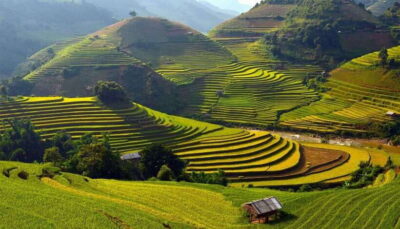
Sa Pa: Muong Hoa Valley Trek and Local Ethnic Villages
Read our review →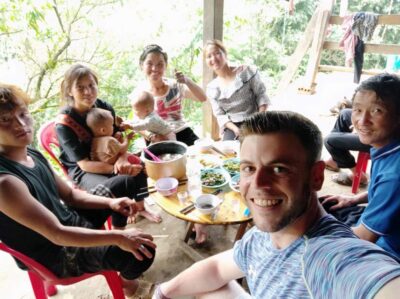
Sapa 3 Days 2 Nights Trekking Tour (1 Night In Ta Van Village, 1 Night In Hotel)
Read our review →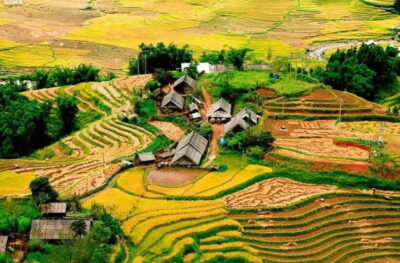
Eco Adventure Terrace Fields and Local Villages Trek
Read our review →
3-Day Trekking Adventure of Sapa from Hanoi – Stay Ta Van Village
Read our review →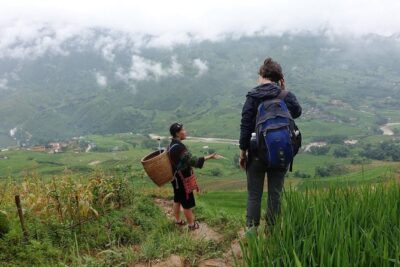
Number one top rated ethical cultural trekking and homestay by ETHOS
Read our review →Browse the lists this tour appears in