
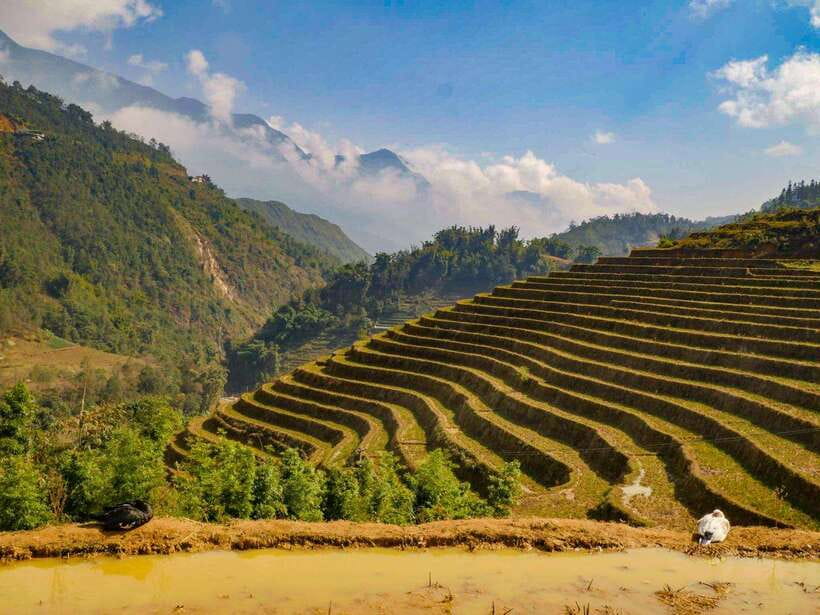
Reviewed · SAPA TREKKING TOURS
Trekking Sapa 1 Day With Local Guide, Terraced Rice Fields
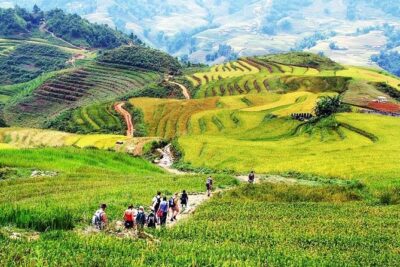
Sapa’s terraces are best appreciated on foot, where the route drops from town into the Muong Hoa Valley and winds between Hmong and Giay villages. This is a 13-kilometer trek, not a quick roadside photo stop, and the climb reaches mountain terrain listed at up to 1,800 meters.
I like two things in particular: the chance to see the terraces and valley on a continuous walk, and the local guide’s explanations of Hmong customs, farming and house-building. The small-group limit of 10 should also make it easier to ask questions than on a large coach tour.
The main consideration is the trail underfoot. Heavy rain can turn parts of the walk muddy and slippery, and village arrivals may bring approaches from people selling handmade goods. If you want a dry, effortless stroll, this is not the right outing.
Key points before you book
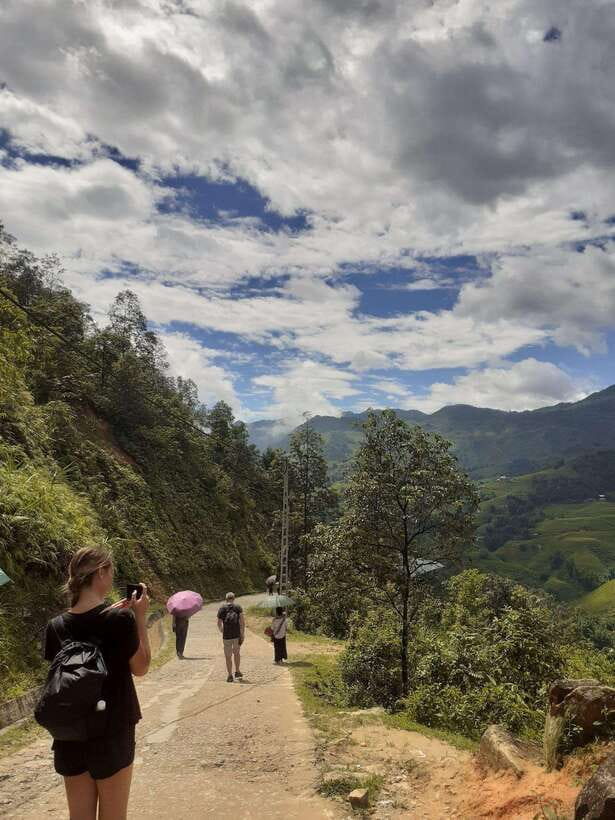
- A real half-day trek: The route covers about 13 kilometers, with roughly five hours of walking.
- Four named stops on the route: Walk through Cat Cat, Y Linh Ho, Lao Chai and Ta Van, with Hmong and Giay cultural context.
- A local lunch is included: You stop at a small restaurant run by a Hmong family; drinks are extra.
- Rain changes the difficulty: Mud can make footing tricky, so bring shoes with good grip and be ready to slow down.
- A small group, not a private tour: The group is limited to 10, and pickup is from hotels in central Sapa.
- Good value for the essentials: The $24 price includes a guide, one meal, entrance fees and the ride back to Sapa from Ta Van.
From Sapa town to the Muong Hoa Valley
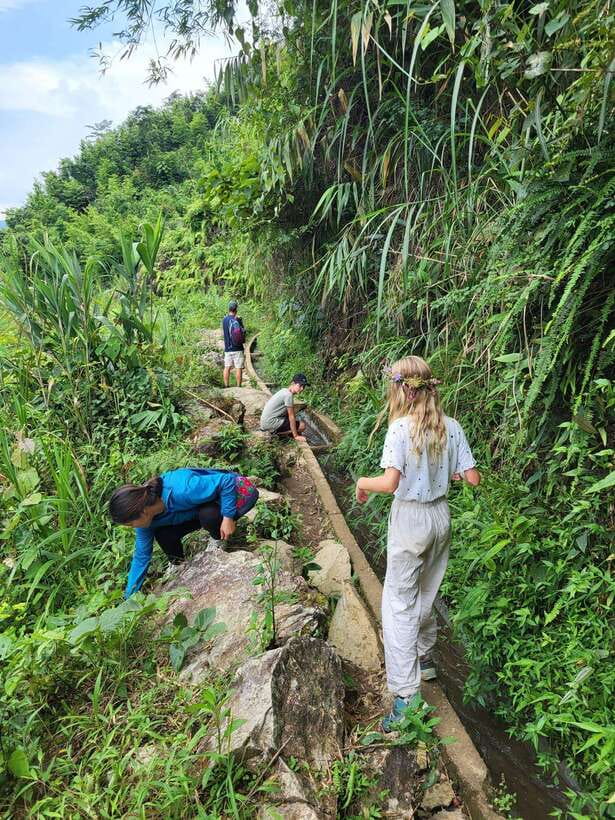
The day starts around 8:00 to 8:30 a.m. Your guide meets you at a hotel in central Sapa or in front of the main church. After a short introduction, the route heads about two kilometers down Cat Cat’s road toward the village area.
That initial descent is part of the day’s character. You leave the town behind and begin to see how the route links the settlements below it. This is not simply a drive to a viewpoint followed by a short walk. You spend the day moving through the valley, with the guide helping connect the scenery to the people who live and farm there.
The route then reaches the hanging bridge over the Muong Hoa River before climbing toward the mountains and passing through bamboo forest. The terrain and elevation make this a proper hike. The tour highlights trekking as high as 1,800 meters, though your experience of the climb will depend on the route conditions and your own pace.
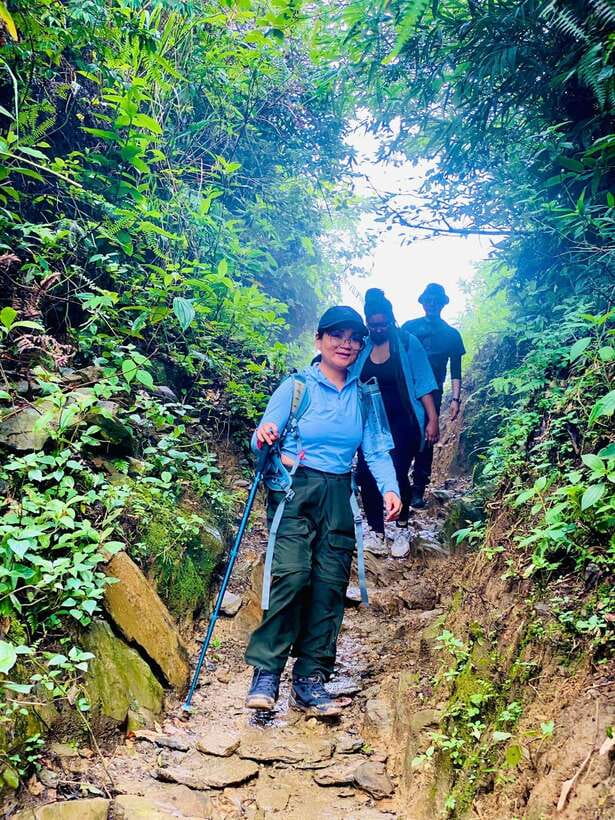
I would not judge this walk only by distance. Thirteen kilometers can feel manageable on a firm path and much harder when rain has made the trail slick. One person who walked in torrential rain described struggling to stay upright in the mud. The view was still a highlight, but the weather made it harder to stop and enjoy it. Check the forecast, and choose footwear with reliable grip rather than smooth-soled trainers.
More Sapa trips in Sa Pa:
- Sa Pa: Muong Hoa Valley Trek and Local Ethnic Villages
★ 4.6 · 864 reviews - Sapa: Eco Adventure Terrace Fields and Local Villages Trek
★ 4.9 · 636 reviews - From Sapa: 1-Day Guided Trek to Lao Chai & Ta Van with Lunch
★ 4.9 · 416 reviews
Cat Cat and the first village views
Cat Cat is identified as a well-known Hmong village, and it forms an early part of the walk out of Sapa. The tour does not describe a long visit here, so think of it as one stage in a wider trek rather than a stand-alone village tour. The guide’s role matters: this is where you can begin asking about local life and customs instead of treating the route as a string of photo stops.
The tour promises explanations of Hmong marriage traditions, rice farming, work and house-building techniques. Those topics give the walk a human focus. Terraces are impressive in their own right, but they are also working fields shaped by farming practices and daily labor. A guide can help you notice that connection while you walk.
There is a practical social detail to keep in mind. On arrival at villages, local people may approach to sell handmade items. One trekker found these encounters crowded and persistent, while also praising the guide and accompanying women for their kindness. You can be polite and clear if you do not wish to buy. If you are interested, take a moment to look, ask about an item, and make your own choice without feeling obliged.
Climbing above the river and terraces
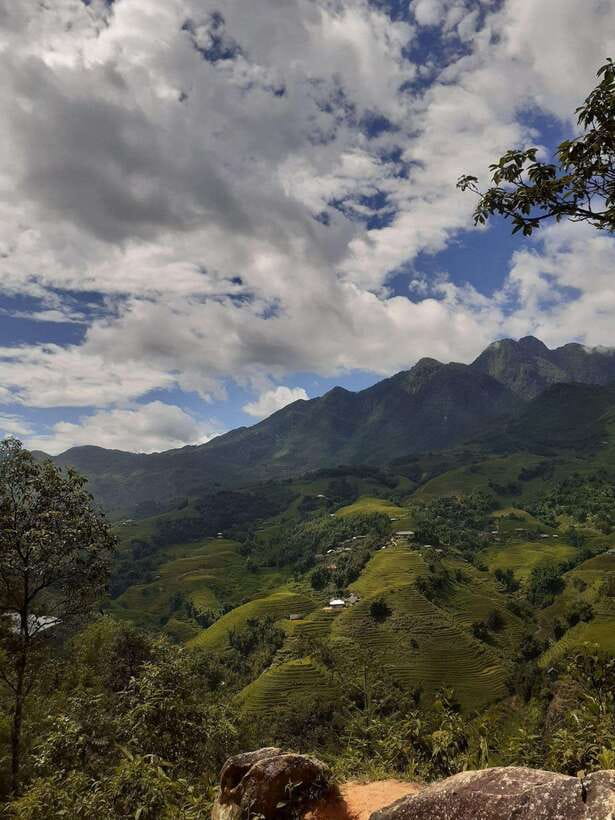
After crossing the Muong Hoa River, the route climbs through mountain terrain and bamboo forest. This section takes you away from the easy rhythm of a town walk. You are gaining height, and the day’s views open onto the valley and the Hoang Lien Son range.
The biggest visual reward is the rice terraces. Sapa is known for them, and this walk gives you time to see them from the trail rather than only from a vehicle. Their appearance will vary with the season and weather, details that are not specified for this tour. What you can count on is a route built around mountain views and terrace scenery, not a guaranteed field color or harvest scene.
The advertised height of up to 1,800 meters is worth noting if you are sensitive to altitude. The activity specifically says it is not suitable for people with altitude sickness or high blood pressure. Even if you are generally active, the climb and the muddy footing can make the walk more demanding than the distance alone suggests. Be honest about your fitness and health before booking.
The guide also helps turn the landscape into context. You can ask about the work involved in maintaining rice fields, local customs and the differences among the communities along the route. The tour describes Hmong and Giay culture, and the walk passes through villages associated with these groups. It is a chance to learn while moving, not a formal museum visit or a staged cultural performance.
Lunch with a Hmong family in Y Linh Ho
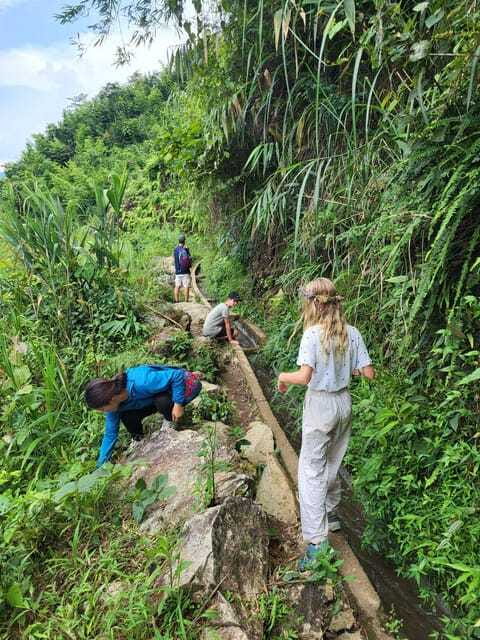
The route heads down to Y Linh Ho, where lunch is served at a small traditional restaurant run by a local Hmong family. One meal is included in the price, which is a meaningful part of the day: it breaks up the longer walk and gives you a pause in a locally run setting.
The exact menu is not provided, so do not book expecting a specific dish or dietary arrangement. Drinks are not included, and you should budget separately for them. If you have dietary needs, ask the operator before the trek rather than assuming the meal can be adapted.
This is also a sensible point to rest and check your footing before continuing. The walking resumes after lunch, so the meal is a stop in the middle of the hike, not the end of it. Pace yourself early, especially if the climb or wet trail is taking more effort than expected.
More treks in Sa Pa:
- Sapa 1 Day Long Trek: Trek to Hau Thao and Sa Seng Villages
★ 4.6 · 344 reviews - EXPLORE SAPA: 2D1N TREKKING & HMONG CULTURE WITH DINH
★ 4.9 · 191 reviews - Sa Pa: 6-Hours Muong Hoa Valley Trek with Local Ethnic guide
★ 4.5 · 178 reviews - Sa Pa: 2-Day Trekking Trip with Ethnic Minority Homestay
★ 4.7 · 145 reviews
Lao Chai and the walk toward Ta Van
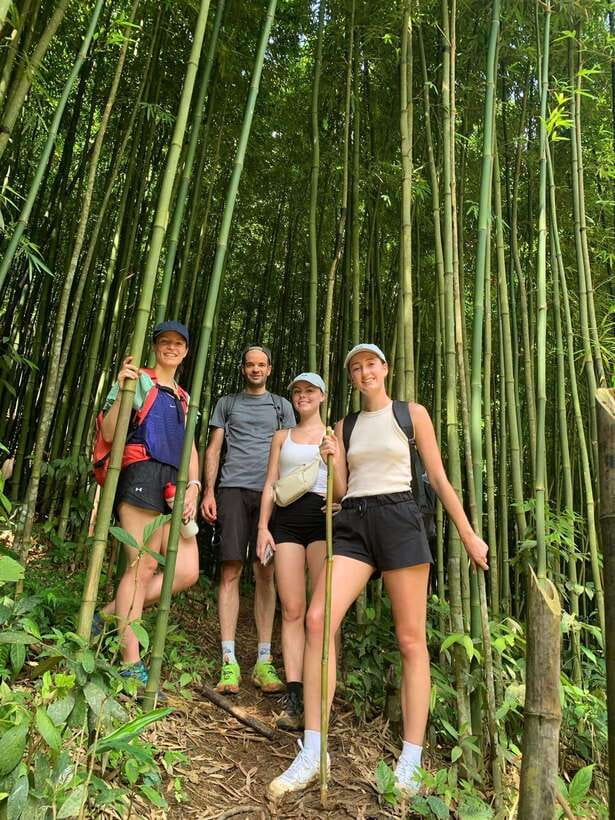
After lunch, the route continues to Lao Chai, described as a Black Hmong village, then carries on toward Ta Van, where you meet the Giay minority. This progression is one of the tour’s useful features. Rather than offering one quick introduction to Sapa’s ethnic communities, it gives you time to see more than one village and hear about differences between groups.
The guide is meant to explain these cultural distinctions and the customs of the communities you encounter. Keep expectations grounded: a walking tour can introduce traditions and everyday life, but it cannot give you a complete picture of a community in a few hours. The value is in having someone local to explain what you are seeing and answer questions respectfully.
Ta Van is the final village stop before you meet the vehicle for the return to Sapa. That ride is included, which matters after a day on foot. The tour’s listed finish is around 2:30 p.m. in Sapa, although the overall activity is described as seven hours and the start time varies between 8:00 and 8:30 a.m. Leave some margin if you are planning onward transport. The description says you can book a bus after the trek, but a fixed connection leaves little room for a slow trail or delayed return.
What the $24 price covers
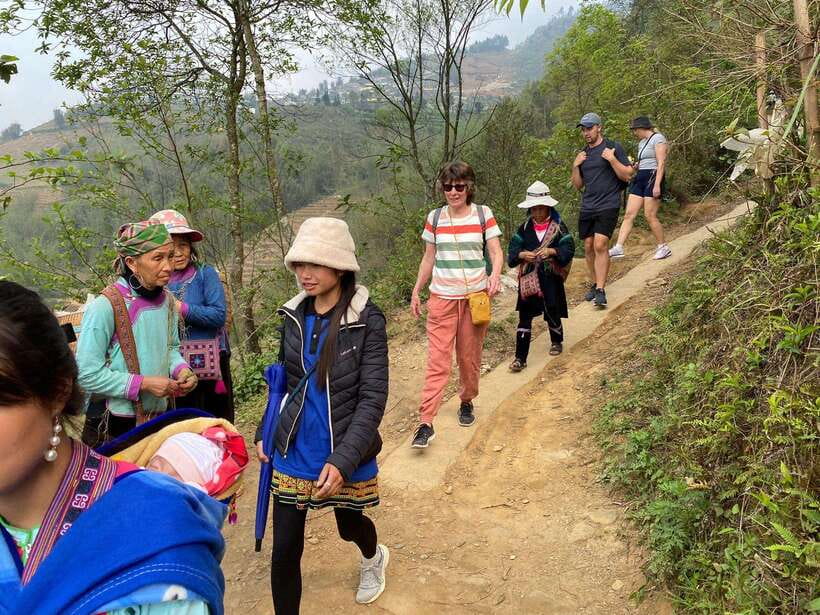
At $24 per person, the tour bundles several costs that could otherwise add up: an English-speaking guide, one meal, all entrance fees and transport from Ta Van back to Sapa town. For a full day of guided walking through several villages, that is a practical package, especially if you value cultural explanation as much as the scenery.
The price does not include drinks with lunch, tax, tips or holiday surcharges for dates such as Lunar New Year, Christmas and New Year. Those exclusions are worth factoring in when comparing tours. The listed price is a useful starting point, not necessarily your full outlay.
The group is limited to 10 participants. That is small enough to make conversation with the guide more realistic, though it is not a private experience. Pickup is included only for hotels in central Sapa, so check your accommodation location if you are staying farther out.
The tour is offered in English. A guide named Su was described as very friendly on one recent departure, and the same account also praised the women accompanying the group. That does not guarantee Su will lead your tour, but it gives you a useful sense of the warm, helpful guiding that can make a difficult day easier. Another trekker singled out the explanations and beautiful places as the best parts of the outing.
Who should take this trek
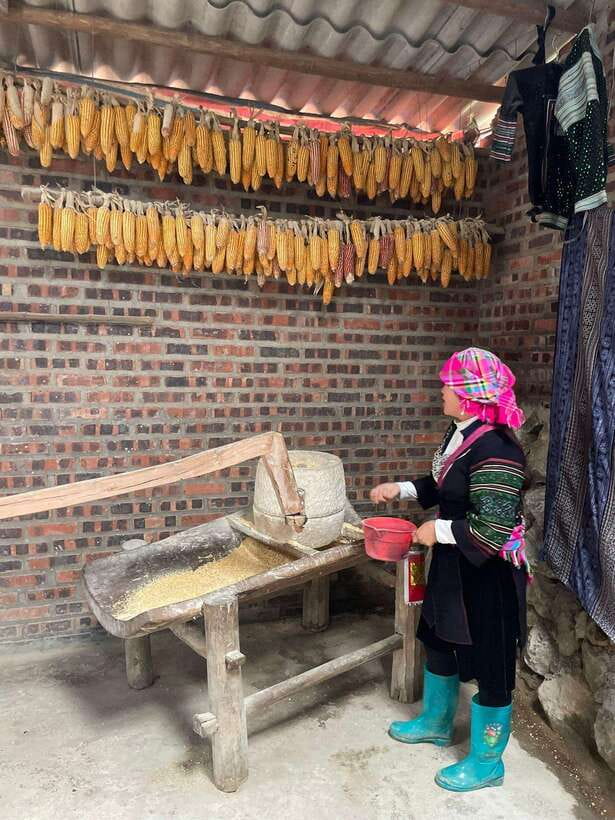
I would recommend this walk if you want to see Sapa’s terraces and villages at walking pace, and you are comfortable with several hours on uneven mountain paths. It suits curious walkers who want a local guide to explain farming, customs and community differences along the way. The lunch and return ride also make the day easier to plan.
I would hesitate if you have altitude sickness, high blood pressure, or limited tolerance for steep and slippery terrain. The tour explicitly excludes those with altitude sickness or high blood pressure, as well as babies under one year and people over 95. The route’s distance and the report of rain-soaked mud make it sensible to be conservative about your ability.
You should also be comfortable with village encounters that may include sales approaches. The scenery and cultural exchanges are central to the experience, but this is not a secluded wilderness hike. You move through inhabited villages, where local commerce is part of the setting.
Should you book it?
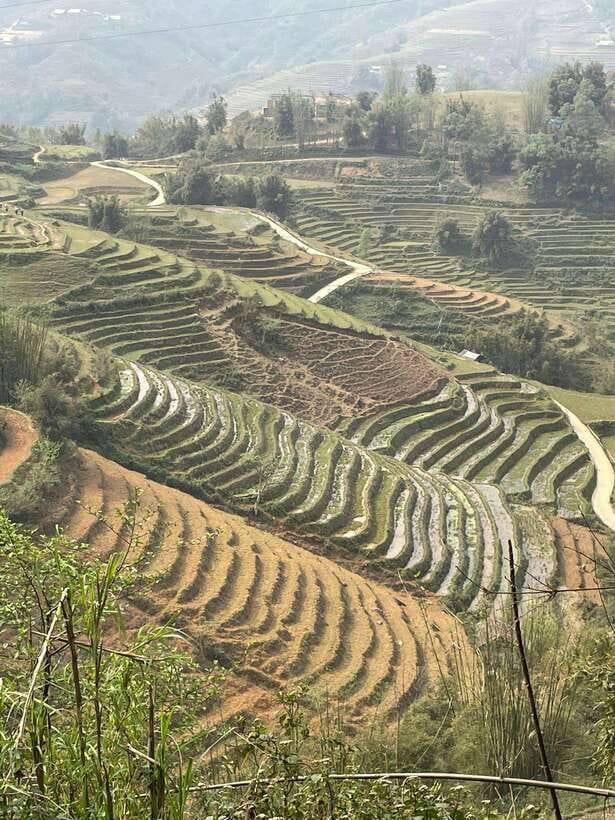
Book this tour if you want a full, guided walk through Sapa’s terrace country, value local explanations and can handle a long route with possible mud. Its strongest points are the mountain and valley views, the chance to visit Hmong and Giay communities, and a guide who can make the walk more than scenery alone.
Skip it if you need easy footing, a short stroll or a guaranteed dry route. At $24, the included meal, entrance fees, guide and return ride offer solid value, but the real payoff depends on your comfort with the trail and the weather. Bring grippy shoes, keep your afternoon schedule flexible, and go for the walk rather than expecting every stop to be quiet or polished.
FAQ
How long is the trek?
The tour lasts about seven hours. The walking route is approximately 13 kilometers and is described as taking around five hours.
What time does the tour start and finish?
The start is around 8:00 to 8:30 a.m. The stated return to Sapa is about 2:30 p.m.
Which villages does the route visit?
The route includes Cat Cat, Y Linh Ho, Lao Chai and Ta Van. The tour describes Hmong, Black Hmong and Giay communities along the way.
Is lunch included?
Yes. One meal is included, served at a small traditional restaurant run by a Hmong family in Y Linh Ho. Drinks are not included.
Is transport back to Sapa included?
Yes. A bus from Ta Van back to Sapa town is included.
What is included in the $24 price?
The stated inclusions are an English-speaking guide, one meal, all entrance fees and the return bus from Ta Van to Sapa.
How large is the group?
The tour is limited to 10 participants.
Where does pickup take place?
Pickup is available from hotels in central Sapa. The guide can also meet you in front of the main church.
Who is the trek not suitable for?
The activity is listed as unsuitable for people with altitude sickness, high blood pressure, babies under one year and people over 95.
More day trips from Hanoi in Sa Pa
- Sapa: Motorbike Tour 1 Day Visit Waterfalls & Local Villages
★ 5.0 · 112 reviews - 1-Day Sapa Long Trek – Rice Field Terrace, Ethnic Culture
★ 4.9 · 62 reviews - 1 Day Sapa Trek&Home-cooked Lunch HmongSisterHouse&Trekking
★ 5.0 · 7 reviews - 1 DAY Trek the Most Beautiful Villages of Sapa & Local Guide
★ 5.0 · 6 reviews
New on the list for Sa Pa
- AUTHENIC 2D1N Trek & Bungalow Retreat with Dinh Hmong Family★ 5.0 · 19 reviews
- From Hanoi: Sapa 3-Day Medium Trek and Limousine Trip★ 4.5 · 59 reviews
- 2 Night Lao Chai-Ta Van Homestay- Trekking & Fansipan Visit★ 4.0 · 8 reviews
- 2 days 2 nights in Sapa – Moana – Fansipan – Cat Cat Village★ 4.2 · 6 reviews
- 2 DAYS Explore SA PA’S Village through Scenic walking Trails★ 5.0 · 6 reviews
- 2-Day Fansipan Mountain Trek – Indochina’s Highest Peak★ 4.3 · 42 reviews
- 2 Day-2 Night Sapa Trekking: Overnight Train &Limousine Bus★ 3.9 · 7 reviews
- 1 DAY Trek the Most Beautiful Villages of Sapa & Local Guide★ 5.0 · 6 reviews
Sapa Trekking Tours, compared.

Halong Bay Full Day with Kayaking, Hiking viewpoint, Cave – Deluxe To Luxury
Read our review →
Sa Pa: Muong Hoa Valley Trek and Local Ethnic Villages
Read our review →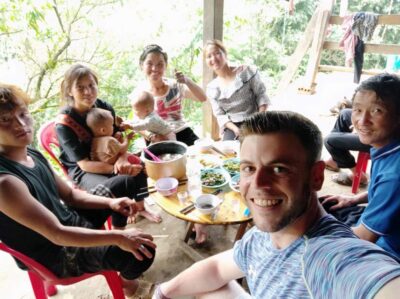
Sapa 3 Days 2 Nights Trekking Tour (1 Night In Ta Van Village, 1 Night In Hotel)
Read our review →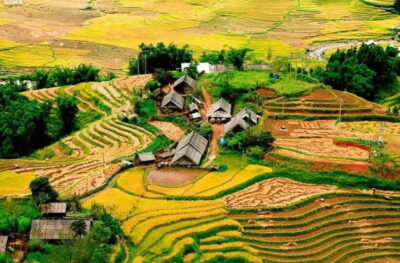
Eco Adventure Terrace Fields and Local Villages Trek
Read our review →
3-Day Trekking Adventure of Sapa from Hanoi – Stay Ta Van Village
Read our review →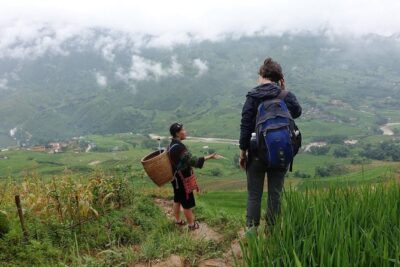
Number one top rated ethical cultural trekking and homestay by ETHOS
Read our review →Browse the lists this tour appears in